Many homeowners later regret choices made for tight utility areas. Maria Sabella, a lifestyle writer, says these spots often act as an afterthought in planning. Jen Baxter of Baxter Hill Interiors notes that giving them the same care as a kitchen or bath raises daily comfort.
When people rush layout decisions, they find poor folding surfaces and limited storage. Those mistakes make chores take more time and feel harder. Thoughtful design prevents wasted effort and clutter.
Intentional planning turns a neglected corner into a useful space. Simple changes in cabinet placement, surface height, and clear paths improve workflow. The right choices make these areas feel like part of the home, not a burden.
This guide offers practical advice and design tips that help readers avoid the most common regrets. It focuses on planning, function, and small upgrades that deliver big daily gains.
Treating the Laundry Room as an Afterthought
Many homeowners tuck this utility area into an unused corner, then wonder why it feels cramped and chaotic.
Nicole Jensen, an interior designer at Murphy Door, warns this choice often produces an overly tight feel in the home.
When a layout is unplanned, daily cleaning work becomes slower. Narrow paths around major appliances impede movement and add friction to chores.
“Treat the space with the same design care given to a kitchen; it pays off every day.”
- Failing to plan causes cramped circulation and wasted time.
- Many regret not matching this room’s design with other rooms in the home.
- Applying interior design standards ensures the area functions for all household needs.
For a list of common missteps and smarter alternatives, see trends that often fail: laundry room trends.
Overlooking Appliance and Cabinet Door Clearance
Doors and drawers that collide ruin workflow and make an efficient layout feel impossible.
Nicole Jensen warns that failing to account for how appliance doors open can block access and make the room feel cramped. Cabinets that swing into an appliance can hide storage and stop regular use.
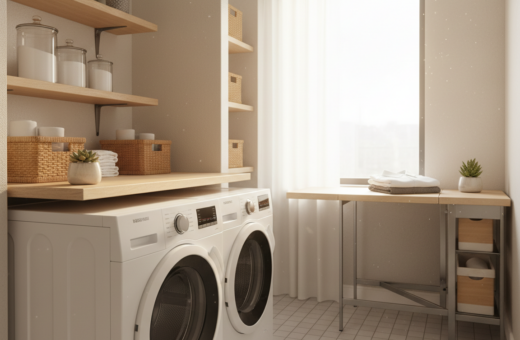
Andrea Sinkin of Andrea Sinkin Design recommends adding a top surface for front-loading appliances. A finished surface prevents socks from falling between machines and gives a tidy work surface for folding.
It takes time to measure clearances, but careful measurement prevents collisions. Without proper clearance, a folding table or other furniture becomes unusable and valuable storage is lost.
“Proper design planning ensures every appliance door has enough room to open fully.”
- Confirm door swing before placing cabinets.
- Allow space for appliances to open without blocking aisles.
- Use a continuous surface above front-loaders for a neater finish.
Good planning saves time and keeps the area functional for everyday tasks.
Small Laundry Room Products to Avoid for Better Workflow
Choosing compact fixtures can feel smart, but some space-saving items actually slow daily tasks. Designers warn that a few clever solutions trade convenience for clutter.
Laura Hursthouse of Laura Hursthouse Design notes that wall-mounted drop-down tables and pull-out shelving units can help when square footage is tight. Yet both choices have drawbacks that affect workflow.
Wall-mounted drop-down tables
Drop-down tables free floor area, but they reduce usable counter surfaces and often sit at awkward heights. When they fold up, stored items may fall or block access.
Pull-out shelving units
Pull-out shelves seem neat, but they can trap dust and hidden clutter. During cleaning, they often need more maintenance than fixed shelves and can jam if overloaded.
- Pick items that speed tasks and open clear walkways.
- Keep the floor clear so a folding table stays ready and usable.
- Avoid fixtures that trade instant convenience for repeated repairs.
“Select solutions that enhance workflow rather than create obstacles.”
Good choices save time and keep these service spaces calm and functional every day.
The Pitfalls of Relying Solely on Open Shelving
Open shelving may look stylish, but it often hides an organizational problem until it’s too late. Nicole Jensen, an interior designer at Murphy Door, warns that relying solely on open shelves in a laundry room can quickly create visual clutter.
Closed cabinets hide overflow and keep cleaning items out of sight. They help the space feel calm and more like other rooms in the home.
A pro tip from Nicole Jensen is to reserve open shelves for neat baskets or decor and a few frequently used items. Those visible spots should be curated so the surface reads as intentional, not messy.
Andrea Sinkin advises layered lighting so the area feels bright and welcoming. Good lighting makes open shelving work better by highlighting tidy displays and reducing the sense of clutter.
“Balance closed storage with select open shelves to create a design that feels as organized as a professional kitchen.”
- Mix cabinets and shelves: hide what you don’t want on display.
- Use open shelves sparingly: show decor or essentials only.
- Control time spent organizing: closed storage reduces daily maintenance.
Why Insufficient Lighting Hampers Productivity
Poor illumination makes folding, spot-treating, and sorting take longer than they should.
Andrea Sinkin of Andrea Sinkin Design notes that many laundry room spaces lack natural light. That shortfall hurts focus and raises the chance of mistakes during cleaning and stain removal.
Layered lighting techniques
Layered lighting blends overhead fixtures, task lamps, and accent sconces. Overhead light gives even coverage while a focused fixture above the table aids folding and ironing.
A dim sconce will not provide enough illumination for careful work.
“A dim sconce does not provide enough illumination for cleaning clothes, which can lead to mistakes during the laundry process.”
Automatic motion sensors
Andrea Sinkin recommends an automatic switch because hands are often full of clothes or baskets. Motion sensors save valuable time and reduce fumbling for a switch.
- Light a slim cabinet for steamers so heat can be handled safely.
- Use task lighting over sorting zones so the space can feel more like a functional kitchen.
- Combine motion sensors with dimmers for flexible design and energy savings.
Neglecting Dedicated Spaces for Steaming and Ironing
Neglecting a dedicated steam and iron area forces homeowners to improvise and wastes precious minutes.
Laura Hursthouse of Laura Hursthouse Design recommends a pull-out board so people avoid dragging out a bulky ironing board. A slim cabinet for a steamer keeps the device upright and ready.
Dedicated stations save time and make daily chores smoother. Hooks for hanging pressed garments keep clothes crisp while other tasks finish.
“Install solutions that fit the workflow of the home and protect garments between steps.”
- Install a pull-out board for quick pressing.
- Use a slim cabinet to store a steamer upright and accessible.
- Add hanging hooks so freshly pressed items wait neatly.
Thoughtful design for these zones turns a cluttered corner into a useful space. Investing minutes now prevents wasted time on last-minute touch-ups later.
Forgetting to Incorporate a Functional Drying Zone
A designated drying zone prevents delicate garments from ending up stretched over chairs or piled on counters.
Retractable drying systems
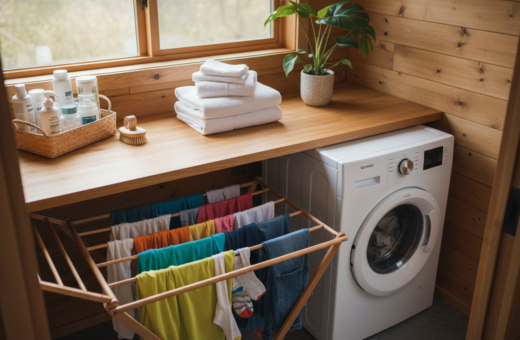
Laura Hursthouse recommends a retractable rack for homes where floor coverage is tight. A pull-out or ceiling-mounted line frees floor area while giving flexible space for delicates.
Adding a clear drying area saves real minutes each week. It protects fragile items and keeps wet pieces from mingling with clean stacks.
“Use under-counter basket storage and vertical racks to keep folding surfaces clear.” — Laura Hursthouse
- Pro advice: include under-counter bins for baskets and sorting.
- Retractable racks fit between cabinets and above an appliance without blocking access.
- Vertical drying rails make the most of wall space and speed daily tasks.
Failing to Utilize Vertical and Under-Counter Storage
Leaving the area above and below appliances empty costs homeowners daily minutes and adds mess.
Angie Kreller, an interior designer at Yabby, says ignoring the overall flow of the laundry room can interrupt daily work. Poor placement of an appliance or a shelf breaks workflow and makes simple tasks longer.
Think top to bottom. Vertical storage frees floor space and keeps tools like mops and ironing boards upright and accessible. Laura Hursthouse recommends tall cabinets and slim wall hooks for long items.
Under‑counter bins and pull‑out shelves create hidden storage for detergents and baskets. Placing shelves near appliances saves steps and preserves clear folding surfaces.
“Use every inch from ceiling to floor; planned storage cuts wasted motion and saves real time.”
- Place heavy items low and frequently used items at eye level.
- Install narrow vertical cabinets for boards and brooms.
- Group shelves around appliances for a smoother workflow.
Ignoring the Overall Flow of the Laundry Area
When the path between washer, sink, and folding surface is broken, chores stall. A clear sequence keeps movement smooth and saves real time.
Andrea Sinkin of Andrea Sinkin Design stresses that a sink hookup is essential. Include plumbing for a sink in the plan so rinsing, spot treating, and bucket work happen without extra trips.
Laura Hursthouse adds that a deep utility sink pays off. It handles delicate types of garments and messy cleaning tasks with less splashing and strain.
- Plan appliance placement so the washer and dryer sit near water and vent points.
- Keep the folding table within a short reach of machines and sink.
- Design the space like a small kitchen workflow: work zones that flow from wet to dry.
“Prioritizing flow prevents random placement of appliances and lost minutes.”
Good design makes this area feel functional and reduces frustration during everyday tasks. Thoughtful layout turns a cluttered corner into an efficient area.
The Mistake of Skipping a Plumbing Hook-Up for a Sink
A missing utility sink turns fast cleaning tasks into inconvenient errands through the rest of the house. Homeowners often regret skipping the plumbing hookup when stains need immediate attention.
Andrea Sinkin of Andrea Sinkin Design stresses that a sink in the laundry room is essential for pre-treating stains and soaking delicate items. It keeps quick work within the same space and reduces interruptions.
Without a sink, wet items frequently end up carried into the kitchen, creating mess and stealing precious time. A dedicated basin protects counters and limits cross-contamination of other areas.
“You will always need a sink in the laundry room for pre-treating stains.”
Include a sink in the initial plan. That single choice makes the space fully equipped for everyday cleaning and saves minutes across weekly chores.
Hazards of Storing Entertainment Supplies and Electronics
Household electronics and leisure goods fare poorly when kept near vents, spills, and damp surfaces. Tribesigns notes that humidity, lint, and stray water in a laundry room can corrode devices and harm batteries.
Entertainment items such as books, board games, and remotes suffer from airborne lint and moisture. Those things never stay pristine when exposed to ongoing humidity and accidental splashes.
“Storing electronics and batteries in laundry rooms is risky because humidity can corrode devices and speed up battery degradation.”
Keep valuable electronics in dry, cool drawers or closets in the home. It takes a little extra time to organize, but this simple step prevents long-term damage and a persistent mess.
- Do not store electronics and batteries near vents or wet areas.
- Avoid placing entertainment items where lint or water can settle.
- Never keep flammable cans or volatile goods next to heat sources; they create a safety hazard.
Clear, focused storage for non-laundry items preserves goods and keeps the space safer for regular cleaning and living.
Why Food and Pet Items Do Not Belong in Laundry Rooms
Humidity and chemical fumes can quietly ruin a pantry stash when stored near machines. In a laundry room, moisture and detergent odours shorten the life of canned goods and packaged snacks.
Tribesigns warns that non‑perishables and pet food should never sit beside vents, heaters, or cleaning supplies. Those conditions let smells cling to linens and let pet hair mix with edible items.
Storing pet food here can create a constant mess. Odors transfer, and stray kibble can clog vents or attract pests. It also adds cleaning work and shortens the life of stored food.
“Keep edible goods away from machines and chemicals; a pantry or kitchen cabinet is a safer choice.”
- Place cans and snacks in dry, sealed cabinets in the kitchen.
- Keep pet supplies in a dedicated bin in the home pantry.
- Store items away from vents and detergent bottles to protect goods and reduce cleaning time.
The Danger of Keeping Flammable Substances Near Heat Sources
Storing volatile chemicals beside heat sources creates a real fire risk in everyday utility spaces. Tribesigns warns that paint thinner, gasoline, and aerosol cans can ignite when exposed to warm vents or appliance surfaces.
The heat from dryers and water heaters raises the chance of accidental combustion. Those reactions can be sudden and dangerous, especially when cleaning chemicals mix with fuels.
“Keep flammable cans and liquids out of active areas; a single spark can start a large fire.”
- Store volatile items off-site or in a ventilated shed rather than inside a laundry room.
- It takes a little extra time to set up safe storage, but it protects the whole home.
- Never place flammable cans near dryers, heaters, or hot pipes.
Practical safety means keeping this space clear of anything that could catch fire. By removing risky items from storage near heat, homeowners reduce hazards and keep cleaning tasks safe and steady.
Avoiding Excess Hangers and Unmatched Clothing Piles
A cluttered hanger rack and loose piles of clothes steal focus and add steps during folding. Keep the active work surface clear so each load moves through the sequence quickly and without extra handling.
Tribesigns recommends placing unmatched socks and mending projects in a small bedroom bin rather than letting them accumulate near the main workspace. This simple habit removes visual clutter and keeps the cabinet and folding area accessible.
Quick rules for a calmer zone:
- Limit hangers in the area to those used every day; excess hangers block access and slow tasks.
- Use a bedroom bin for loose socks and items needing repair so piles do not migrate into the laundry area.
- Store overflow clothing in a nearby closet rather than on counters or over the folding surface.
Clearing out extra hangers and piles saves measurable time during folding and lowers stress. A well-organized space should hold only the items needed for daily cycles, letting people work faster and with less friction.
“Keep unmatched socks and mendables out of the main workspace so folding stays efficient.”
Risks Associated with Storing Delicate Fabrics Long-Term
Humidity and lint are stealthy threats that can shorten the life of precious clothes.
Tribesigns warns that silk blouses, wool sweaters, and formal wear suffer when left in a laundry room. High moisture levels invite mildew. Fibers also stretch or lose shape over extended exposure.
Lint from a dryer clings to fine fibers. That residue dulls sheen and creates pills on delicate types of garments. Formal pieces need dry, ventilated storage in a bedroom closet or a lined cabinet.
Practical rule: use this area for processing items, not long-term storage. It takes time and care to maintain different fabric types. Keeping seasonal wardrobes here risks staining, stretching, and accelerated wear.
“Remove delicate pieces from active cleaning zones and store them in a cool, dry space.”
For a short checklist on safe storage and handling, consult a focused wardrobe storage guide before packing away valuable garments.
Conclusion
Thoughtful fixes—measured clearances, layered lighting, and dedicated stations—make chores finish faster and with less stress.
Maria Sabella and design pros remind readers that a clear plan pays dividends. By choosing the right products sparingly and placing storage where it supports workflow, a compact area can feel as organized as a professional kitchen.
It takes time to implement changes, but the pro advice shown here reduces daily effort and saves real minutes. Keep nonliving items out of the active workspace and reserve this area for cleaning tasks only.
As a lifestyle writer, Sabella hopes this guidance helps homeowners transform these spaces into efficient, calm parts of the home they enjoy using every day.