The challenge of keeping clothes clean in a compact space is common for those embracing living tiny. This introduction outlines practical options that save time and preserve the look of a small residence.
Choosing the right washer dryer combo or compact unit makes a big difference. A quality Whirlpool or LG combo can cut trips to the laundromat and free up hours each week.
Placement and interior design matter. Thoughtful location planning—stacked units or under-counter models—keeps the space functional and tidy without sacrificing style.
This guide will show how to match equipment to routine, so occupants of a small house can handle chores efficiently and keep daily life moving smoothly.
Assessing Your Laundry Needs in a Tiny Home
A practical approach to clothes care in small living spaces begins by defining which parts of the room can be dedicated to chores. They should list wash frequency, storage needs, and how much usable floor and vertical space is available.
Space Constraints
Standard washer/dryer units often need significant floor area that may be better used for seating or storage. In many tiny house layouts, that trade-off makes the difference between a functional room and a cramped one.
Portable washers can sometimes sit in the shower to save square footage. This creative placement converts existing wet areas into dual-purpose zones without carving out extra space.
Power and Water Usage
Power draw is a key factor for occupants relying on solar or limited electrical service. A full-size machine can exceed available power capacity, so checking wattage and cycle needs is essential.
- Measure: note breaker limits and water hookup points.
- Compare: energy use of compact appliances versus standard units.
- Decide: whether an on-site appliance outweighs lost storage or living area.
Evaluating Tiny Home Laundry Solutions for Your Lifestyle
Choosing how to handle wash day starts with matching your routine to the space in your small home. They should list how often they wash and what fits in the available room.
Location plays a big role. If a laundromat sits nearby, the travel time and cost may make a public facility the smarter option for that house.
Frequency matters. For those who wash weekly, a compact unit or shared facility works. For daily loads, an in-unit choice saves time and trips.
- Assess habits: how often clothes need cleaning.
- Check location: distance to public services and hookups.
- Plan design: foldable or concealed setups that fit tight spaces.
Ultimately, the best choice matches life rhythms and keeps the tiny house comfortable. Smart design and placement make chores less disruptive and more efficient.
The Benefits of All-in-One Washer Dryer Combo Units
All-in-one washer dryer combos bring full washing and drying capability into a single compact footprint. These units free up valuable room and reduce the number of separate appliances a resident must fit into a small house.
Ventless Technology
Ventless designs let a washer dryer operate without external ducting. That makes placement flexible and preserves exterior walls. It is a smart choice when vent runs would take a lot of space or add cost.
Capacity Considerations
Capacity varies among popular combo models. The LG 2.3 Cu. Ft. ventless unit handles the largest load here and costs about $1,500. The EdgeStar 2.0 Cu. Ft. sits near the middle at roughly $900. The Haier 1.8 Cu. Ft. is the smallest option and fits a single person well, though it takes a bit longer to dry items.
- LG 2.3 Cu. Ft.: top-tier for size and reliability.
- EdgeStar 2.0 Cu. Ft.: solid value for price and performance.
- Haier 1.8 Cu. Ft.: compact, budget-friendly, slower dryer cycles.
Choosing a combo unit saves a lot of space and time compared with two separate units. It is a practical choice for those who want one machine that covers washing and drying without sacrificing too much capacity.
Exploring Manual Washing Methods for Minimalists
When space and power are limited, people often turn to basin-based washing to care for a few garments. Manual methods suit those who want a low-cost, low-energy way to keep items fresh without a full appliance.
Portable Basin Techniques
Portable basins and scrub boards let users handle small loads by hand. This approach works well when a single load or two is typical each week.
The Wonderwash is a popular manual option that lets people wash and partially spin small loads without electricity. It reduces the need for a large washer and fits tight spaces.
- Use biodegradable detergent: Marley’s Monsters strips are ideal for hand washing delicate items and reduce waste.
- Protect delicates: a mesh laundry bag keeps small items safe during agitation and organizes the space.
- Save power: manual washing is a reliable way to avoid running a dryer or electric machine for every load.
Note: Hand washing takes more effort, but it is practical for people who wash only a few clothes at a time. For tips on off-grid techniques and efficient washing cycles, consult a comprehensive guide for washing off-grid.
Maximizing Vertical Space with Smart Storage
Designing up instead of out is a simple way to expand storage without losing floor space. Marea Clark, founder of Marea Clark Interiors, stresses using vertical zones to keep the room tidy and functional.
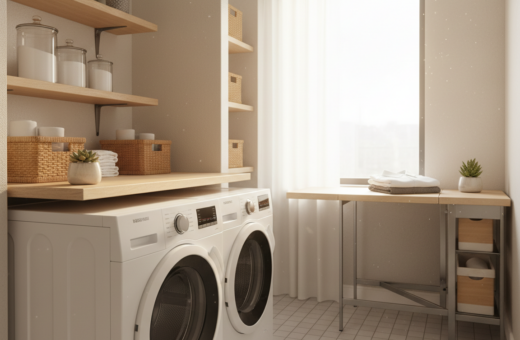
Upper cabinets above the washer or combo unit create hidden storage for detergents, stain treatments, and spare supplies. Closed cabinets reduce visual clutter and protect items from dust.
Open shelving can sit directly over machines to hold baskets and frequently used products. Adding labeled bins helps keep clothes care organized and easy to reach.
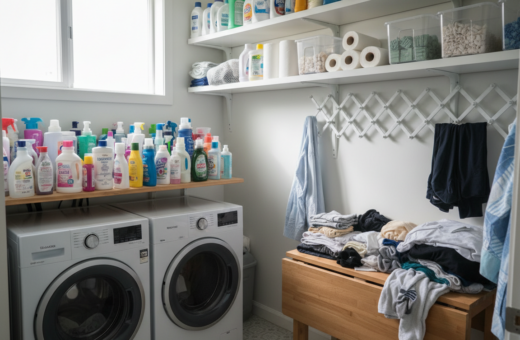
- Install hanging rods above machines to air-dry shirts and delicates without stealing floor area.
- Use narrow vertical cabinets for ironing boards or cleaning tools that would otherwise crowd living spaces.
- Choose slim pull-out shelves to make the most of deep, tall cavities.
Thinking vertically converts a cramped wash room into a neat, multi-use space. This approach is a practical solution for anyone fitting a functional cleaning area into a tiny home.
Creative Ways to Conceal Laundry Appliances
Concealing a washer dryer combo lets the space feel curated while staying practical.
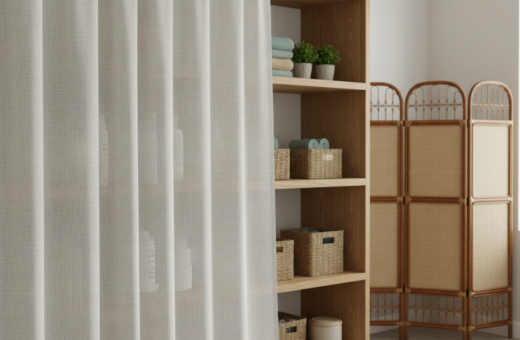
“Use curtains to turn a laundry nook into a hidden closet,” recommends Laura Keeler Pierce of Keeler & Co.
Elegant drapes are a simple, flexible option. They hide the washer and let the room change mood in seconds.
Custom cabinetry or sliding doors offers a cleaner look. These builds conceal appliances but keep easy access for daily use.
- Use curtains to hide a washer dryer when not in use.
- Install sliding panels to make the room feel like a multipurpose area.
- Design a compact closet that conceals units but preserves function.
Integrating these elements into the overall design keeps the living area professional and uncluttered. Creative concealment is ideal for anyone wanting more perceived space in a tiny home.
Essential Drying Techniques Without a Full-Sized Dryer
Drying clothes without a full dryer calls for simple, well-placed tools that save both space and time.
Wall-Mounted Racks
Installing a wall-mounted drying rack is a compact way to handle a small load of clothing. These racks fold flat when not in use and free floor area for other tasks.
They help air-dry shirts and delicates and reduce reliance on a separate dryer.
Retractable Lines
Retractable lines tuck away when idle and extend across a room or alcove when needed. This approach works well in a tiny house or apartment unit.
Lines let residents hang multiple items without a bulky frame, making drying efficient and organized.
Towel Drying Hacks
The towel drying trick shortens drying time for damp items. Roll wet clothes inside a large towel and press or twist to remove excess water.
This method protects fabric, speeds up air drying, and reduces cycles on the washer or dryer. Proper drying techniques maintain clothing quality and prevent moisture buildup in small spaces.
- Use vertical space: install racks above machines or doors.
- Air-dry loads: it saves energy compared with a machine.
- Protect items: rotate heavier pieces for even drying.
Incorporating Sustainable Laundry Practices
Simple shifts in routine can reduce waste and energy use without adding work. Adopting greener habits helps households stay efficient and mindful.
Use cold water for most cycles. Cold washes clean well and cut energy use dramatically. They also protect colors and extend garment life.
Wash smaller batches when possible. Running half-full loads wastes water and power. Smaller, frequent loads suit a compact space and make chores manageable.
Choose eco-friendly detergents and gentle stain removers. These products are safer for fabrics and the environment. They also reduce the need for harsh treatments that wear clothes faster.
- Air-dry garments to save energy and preserve fabric.
- Use drip-dry racks or a retractable line to maximize vertical space.
- Stick to a consistent routine to avoid heavy, energy-intensive cycles.
These steps keep a small home or house running cleaner and greener. For residents of a tiny house, consistent sustainable practice reduces reliance on large appliances and lowers costs.
Design Tips for Functional Small Laundry Areas
Bold color choices and layered illumination turn a compact wash area into a polished, usable room. Zoë Feldman of Zoë Feldman Design uses citrine drenching to add depth and presence to a small space.
Lighting matters. Combine overhead light with a focused task lamp above a countertop. Good light makes a tiny room feel larger and helps with folding and stain checks.
Color and Custom Finish
Claire Staszak of Centered by Design suggests spray painting cabinets and drying racks for a cohesive look. A single saturated wall color unifies the area and adds a curated feel.
- Design for function: reserve a dedicated shelf or box for detergent and stain items to keep the room organized.
- Pick the right units: choose a washer dryer combo size that preserves usable floor and counter space.
- Add a countertop: a flat surface over the washer creates a folding zone and keeps clothing orderly after a load.
Small adjustments in color, lighting, and layout make washing and drying less of a chore and more of an efficient routine in a compact home.
Overcoming Common Challenges in Compact Living
Small footprints demand clever routines so clothes stay clean without a full utility room.
Many people face limited power and water access in a tiny house, which makes standard washers hard to run. They adapt by choosing low-draw machines or running loads at off-peak time.
Storage for detergent and spare items must be tight and tidy. Use vertical racks and clear bins to keep the room organized and reduce clutter in the living home.
When space is scarce, a ventless combo unit can wash and dry in one footprint. Even a small shower alcove can serve as a temporary wash station for delicate pieces.
- Plan power: check amperage before installing an appliance.
- Store smart: mount small shelves for detergent and stain care.
- Adopt routines: batch similar items and dry overnight to save cycles.
Adjusting takes time, but with compact gear and good systems, residents keep their room clean and functional.
Conclusion
Smart habits and intentional gear turn a small living area into a highly functional clothes-care zone. They let everyday chores stay quick and unobtrusive.
Choose efficient appliances, favor vertical storage, and use concealment to keep spaces tidy. These moves free floor area and make daily routines simpler.
Adopt sustainable habits like cold washes and air-drying to cut energy use and protect garments. Whether a resident picks a high-tech combo or manual washing, efficiency is the main aim.
With careful planning and modest design choices, anyone can craft a functional, personalized system that fits their life and keeps the home looking calm and organized.