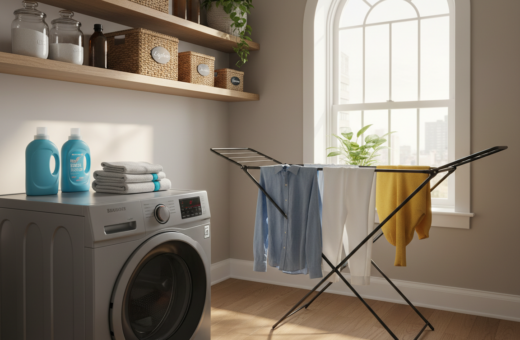
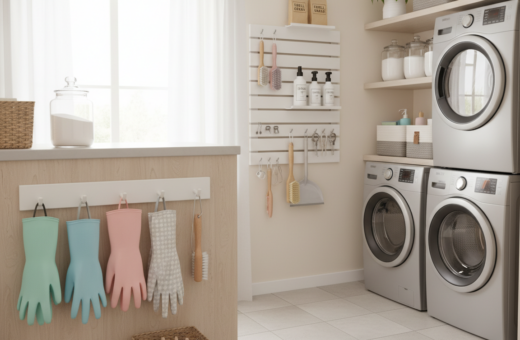
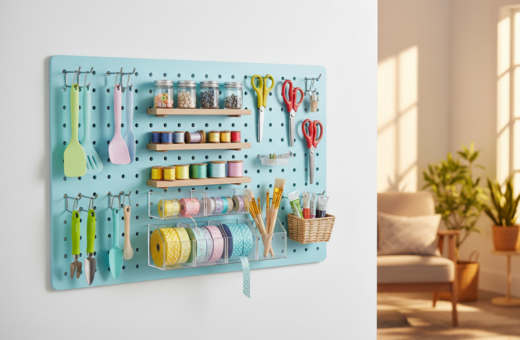
Creating an organized cleaning station in the home saves time and cuts frustration. When people give one place for products and supplies, they spend less time hunting for items. A compact corner that holds bins, spray bottles, and small storage containers can change daily routines.
Color and clear labels help identify areas for the kitchen, bathroom, or laundry room. This simple cue makes the space feel calmer and more efficient. It also stops extra things from piling up in random spots.
Design matters: use shelves or a slim cart so products stay visible and within reach. A single spot for tools and storage keeps routines quick and reliable each day.
In short: a well-planned corner for supplies and small storage reduces clutter and improves home organization. Families find they clean faster and keep rooms tidier when everything has a clear place.
Assessing Your Space for a Cleaning Station
Begin by measuring the usable floor area in your kitchen, bathroom, or utility room to find the best place. A quick measurement shows whether a slim shelf, small cabinet, or bins behind a door will fit without blocking traffic.
Use the 5S method — Sort, Set in Order, Shine, Standardize, Sustain — as a practical way to plan. This approach helps people choose which products and tools belong in daily routines and which can be stored elsewhere.
Evaluate which cleaning products are used most often and place them within easy reach. If sprays and cloths sit on a single shelf, tasks take less time and the room functions better each day.
- Check floor clearance and door swing.
- Test a shelf or cabinet behind a door for fit.
- Pick storage options that match household routines and space limits.
In many cases, small changes in layout turn cluttered areas into efficient parts of the home. Choosing the right options now saves time and makes future upkeep simple.
Essential Supplies for an Organized Cleaning Station
A small shelf with the right mix of sprays and tools cuts task time and keeps routines steady.
Natural cleaning solutions: Many people prefer the Art of Green Multisurface Cleaning Spray, a mild, eco-friendly product priced at $2.79. It works on most surface areas in the kitchen or bathroom and is safe for frequent use.
High-Performance Disinfectants
Powerful options: For tough jobs, stocking CLORALEN Disinfectant Bleach 96 ounces ($2.79) gives reliable disinfection for heavy soils and high-touch areas. Keeping one strong product alongside natural sprays covers most tasks.
- Include a sturdy brush and microfiber cloths for varied surfaces.
- Use clear bins so people can see what supplies are left at a glance.
- Keep both a mild multisurface spray and a disinfectant for different room needs.
Reason to centralize: Having key products and tools in one spot streamlines daily routines and saves time during the day. For more tips on supply layout, see this guide on mastering supply organization or this sample reference for small-space options: small space solutions.
Strategic Storage Solutions for Small Areas
Maximizing vertical storage turns narrow nooks into highly functional areas for supplies and tools. This approach saves space and cuts the time it takes to find items during daily tasks.
Start by choosing the right hardware: a wall-mounted NETPOST 400 model uses height to keep bottles and small product containers off the floor. It frees space in a tight kitchen or laundry niche.
Utilizing Vertical Space and Shelving
The NETPOST 600 mobile cleaning station adds flexible storage for a broom, towels, and larger items that move between rooms. A mobile option lets people tuck supplies behind a door or next to a cabinet.
Durability matters: every SESA SYSTEMS unit includes a 2-year warranty, so the shelf or cabinet remains a reliable part of home organization.
- Wall-mounted racks maximize height when floor space is tight.
- Mobile carts offer a way to transport supplies and tools quickly.
- Choose bins and shelves sized to your products to keep access simple.
Implementing a Color-Coded System
Assigning a single color to each task makes it easy to see what belongs where at a glance. A pack of 12 microfiber cloths lets families assign one hue per area. This reduces mistakes when handling different products and surfaces.
For example, use blue for kitchen counters, green for living areas, and red for the bathroom. These visual cues stop someone from using the same cloth on a food prep surface and a toilet area.
A compact cleaning station or shelf can keep the cloths, sprays, and bins in view. That saves time each day and lowers the chance of cross-contamination while moving between rooms.
- Assign one color per area to match a product or task.
- Store cloths with matching labels and a single bin per color.
- Buy high-quality, color-coded supplies so the routine stays consistent.
Using this method improves home hygiene and boosts organization. Teams or families find tasks faster and more professional with clear color rules for every surface and space.
Labeling and Inventory Management
A consistent labeling system removes guesswork and speeds up routine work around the home. Clear tags make it obvious where each product and tool belongs, so anyone can grab the right item for the kitchen, bathroom, or laundry.
Designing Custom Labels
Keep labels readable at a glance. Use large fonts, color accents, and simple icons for sprays, brushes, and cloths. Print durable labels for bins and a small cabinet so wear does not hide names over time.
Using Adhesive Pockets
Adhesive pockets let the household slip in a rotating inventory card. Swap cards as new supplies arrive and note product type, purchase date, and room use. This method keeps the shelf or door tidy without constant relabeling.
Tracking Stock Levels
Track supplies weekly to avoid duplicates. A quick check of bins and bottles saves time and money by preventing extra purchases. Whether noting a low bottle of cleaner or a missing brush, small actions keep the system reliable each day.
- Label bins by room and type for fast access.
- Use a simple inventory card in adhesive pockets for updates.
- Do a short weekly check to track low items and reorder.
Integrating Daily Cleaning Routines
A short daily plan helps households keep high-touch surfaces and floors fresh with minimal time. This approach makes the home safer and easier to use for all people who live there.
Use the cleaning station to wipe the kitchen floor and a bathroom surface each day. Keep essential tools like a broom and towels within reach so tasks finish quickly.
Stock a small shelf or cabinet with key products and a single set of towels for the day. When products and supplies have a set place, people spend less time searching and more time doing.
“Doing a few minutes of care each day prevents major work later.”
The main reason to follow a routine is to ensure products are used correctly and storage stays tidy. Over time, this habit makes the home feel more comfortable and keeps cleaning stations highly functional.
- Keep one broom and a microfiber cloth on hand.
- Wipe high-touch areas during the day to avoid buildup.
- Do a quick bin check each evening to track low supplies.
Conclusion
Keeping key products within easy reach turns routine tasks into quick, predictable steps. A compact cleaning station or shelf reduces time spent searching and makes daily upkeep simpler for the whole home.
Use clear labels, match storage to need, and keep a short checklist. These actions support better organization and help families maintain a healthier home with less effort.
Consistency matters. Small habits keep supplies stocked and stations ready, so chores stay brief and effective.
Start today by arranging a single spot for essentials and notice how routines become calmer and more efficient across the home.