Every modern laundry room needs a clear plan to help the family move through chores with ease.
This site offers expert tips on how to set up a functional room that keeps clothes and small accessories organized.
By using vertical space and smart hanging systems, homeowners can turn a cluttered area into an efficient zone that serves the whole family.
Simple hooks, rails, and multi‑tier sets make it easy to assign a place for each item and keep surfaces clear.
Professional organization strategies help maximize every square inch so the site visitor gains practical ideas that improve daily routines and overall design.
Maximizing Laundry Accessory Storage Efficiency
Efficient systems for small items transform a cramped utility area into a productive, easy-to-use room. Good placement helps people find what they need fast and reduces wasted time.
Simple rules improve daily flow:
- Group items by task so tools are near the machine or sink.
- Use vertical options to free up countertop and floor space.
- Label bins and hooks so everyone knows where things go.
A tidy laundry room feels calmer and runs smoother. Proper organization means each tool is within reach during a cycle, cutting steps and delays.
Fit solutions to the room’s size — shallow shelves, narrow racks, and multi-tier hangers can make small spaces work harder. Prioritizing modular systems lets homeowners adapt as needs change.
Result: a functional room that saves time, reduces stress, and keeps everyday essentials in order.
Utilizing Vertical Wall Space for Brushes
A vertical plan for brushes and small items frees floor space and reduces clutter in any room. Mounting systems keep tools visible and make tasks faster for everyone.
Pegboard Solutions
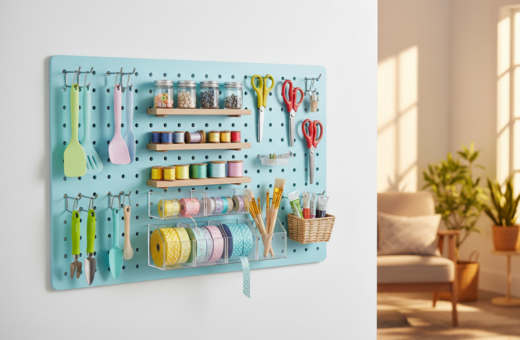
Pegboards let homeowners customize hooks, bins, and pegs to fit brushes, brushes with handles, and small cleaning tools. They work well above counters so surfaces stay clear.
Install a pegboard on a solid wall and add modular hooks. This approach makes it simple to move pieces as needs change.
- Flexible layout adapts to tool size and frequency of use.
- Labels help the family know where to store each item.
- Mounting on the wall frees valuable floor space in the laundry room.
Magnetic Strips
Magnetic strips are ideal for metal-backed brushes and small metal tools. They hold items securely and keep them within reach, without taking up shelves or counters.
Combined with pegboard sections, magnetic strips create a mixed system that keeps the room organized and efficient.
Hanging Systems for Protective Gloves
Protective gloves deserve a clear hanging plan so they dry fast and stay ready for use. A compact setup keeps gear off counters and helps the family keep clean routines.
Clip and hook methods work well in a busy laundry room. Clips hold gloves open to speed drying and prevent mold. Hooks mounted on a wall offer a tidy, visible place for each pair.
Clip and Hook Methods
Simple rules for the best results:
- Use spring clips to hang gloves by the cuff so air reaches the lining.
- Install a row of hooks at shoulder height to keep items reachable and off the floor.
- Designate a small space on the wall for protective gear so everyone knows where to put things.
- Choose rust‑resistant clips and hooks to extend the life of the system in wet environments.
A dedicated spot in the room makes it easier to use gloves consistently. This protects hands during cleaning and keeps the laundry area organized for daily tasks.
Integrating Drying Racks into Small Rooms
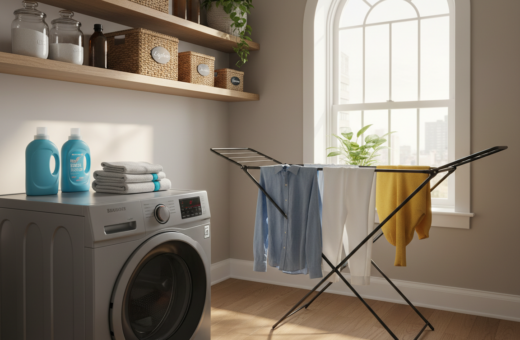
Smart wall-mounted racks let small rooms handle delicate items without a bulky dryer. They give homeowners a way to air-dry garments while keeping the floor clear.
Wall-mounted drying racks rank high among related categories for any home aiming to boost laundry room efficiency. Choose units that fold flat against the wall so they stay out of the way when not in use.
Proper placement matters. Mount a rack near ventilation or above a drip tray so wet items dry faster and the room stays functional.
- Pick fold-flat designs to save space and keep walking paths open.
- Place the rack at reachable height for quick loading and unloading.
- Use multiple short racks instead of one long bar to suit odd-shaped rooms.
Result: A well-chosen rack makes air-drying simple and keeps the laundry room efficient for daily tasks.
Selecting Durable Metal Hardware
Durable metal hardware forms the backbone of any reliable hanging system. Homeowners can find high-quality components for as low as $39.99, making durability an affordable choice.
Reinforced wire shelving and hooks give the strength needed to hold heavy items without bending. They keep racks straight and reduce the need for replacements.
High-quality wire racks also allow airflow around wet items, helping them dry and stay fresh. Choose racks with open grids for best results.
- Pick corrosion-resistant finishes to protect parts in humid rooms.
- Favor reinforced frames that resist sagging under weight.
- Select hooks and clips rated for real loads, not just light use.
“Investing in rugged hardware saves time and money over the long run.”
Prioritize proven metal finishes and reinforced designs so the system stays stable in daily use and lasts for years.
Optimizing Cabinet Door Storage
The inside of each cabinet door can be turned into a compact organizer in minutes. This smart approach adds usable space without changing layout or adding furniture.
Why it works: Utilizing the back of a cabinet door keeps frequent items visible and reachable. It also helps the room feel uncluttered while keeping counters free for tasks.
Over-the-Door Bins
Over-the-door bins clip or hang on the inner door face to hold small bottles, cloths, and folded items. Choose bins rated for the items’ weight and a fit that matches the cabinet depth.
- Mount two or three narrow bins per door to separate supplies and keep spills contained.
- Clear or labeled bins speed finding items and maintain a professional look.
- Combine bins with one shallow shelf inside the cabinet for hidden overflow.
Adhesive Hooks
Adhesive hooks make it simple to hang brushes, cloths, and lightweight tools right on the door. They avoid drilling and can be placed at differing heights for better access.
- Pick rust-resistant hooks suitable for the room’s humidity.
- Use a set of hooks to hang pairs or keep items separated by task.
- Check adhesive ratings so the door and cabinet remain undamaged when removed.
Result: Every cabinet door in the laundry room becomes a small but powerful zone. Thoughtful bins, hooks, and a single shelf turn wasted space into a tidy, efficient part of the home.
Implementing Rolling Laundry Carts
Wheeled stations simplify moving clothes and supplies between machines and folding areas. A good rolling cart becomes a mobile workbench that the whole family can use.
The Mobile Laundry Station often includes a folding surface, a hamper for dirty clothing, and room for detergent and other essentials. It keeps baskets and racks organized so items are easy to find.
Using a rolling rack reduces trips from the dryer to the folding table. That saves time, cuts strain, and speeds routine chores.
- Choose a unit with lockable wheels so the cart stays put while folding.
- Pick models that tuck into cabinets or corners to free floor space when not in use.
- Arrange baskets and small accessories by task to keep the room orderly.
“A mobile cart turns scattered supplies into a single, efficient station.”
Organizing Detergents and Small Essentials
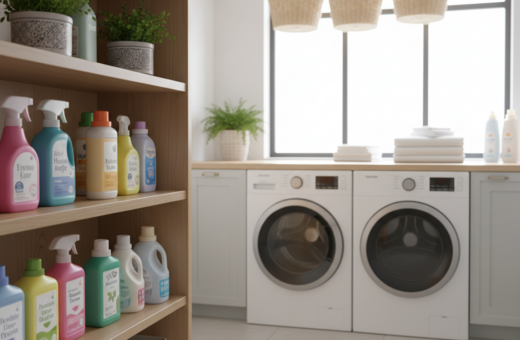
Clear zones for detergents and small goods make chores faster and reduce countertop chaos. In a well-planned laundry room, dedicated bins and a set of low shelves keep bottles and sprays upright and visible.
Keep a shallow drawer near the work surface for pods, stain pens, and small tools. Cabinets below the counter can hold large detergent jugs and refill packs so the main room stays neat.
Group similar items in labeled baskets or clear bins to speed finding what is needed. A small set of baskets on a shelf creates tidy access and prevents spills from spreading across the space.
- Use one bin for stain removers and one for fabric care.
- Reserve a cabinet shelf for bulk detergent and boosters.
- Keep a designated hamper for dirty clothing to clear the floor.
Result: by choosing the right places to store essentials, the homeowner can keep the laundry room efficient and ready for daily routines.
Creating a Dedicated Folding Station
A dedicated folding station gives the home a flat, purpose-built surface for processing clean clothes quickly.
Place a folding board or table near the dryer so the transition from drying to folding is immediate. This reduces steps across the room and speeds the task.
Design the station with cabinets and a drawer beneath. Use those cabinet bays for baskets and small essentials to keep the space tidy and accessible.
Choose a comfortable height for the surface so the person who folds spends less time bending. Add a shallow shelf or two for folded items and a spot to hold a board when not in use.
- Flat surface for careful handling of clothing
- Board or table sited next to the dryer for fast workflow
- Cabinet drawers for baskets and small items
Result: a compact station that saves space, protects clothing, and keeps the room organized for daily laundry routines.
Enhancing Closet Functionality
A well-tuned closet turns an overlooked nook into a practical zone for seasonal garments and extra supplies. It keeps the laundry room and nearby rooms uncluttered and ready for daily tasks.
Install adjustable shelves and a set of shallow baskets to maximize vertical space. Adjustable shelves let the homeowner tweak heights for folded clothes, boxes, or rarely used items.
Door-mounted organizers make use of the back of the closet door for small items the family reaches for often. This keeps counters and cabinets free and puts essentials within easy reach.
- Use labeled baskets on a mid-height shelf for seasonal clothes and linens.
- Add one cabinet-style rod for hanging off-season garments to keep them crease-free.
- Reserve the top shelf for bulk items the household grabs only occasionally.
For more detailed ideas on maximizing a closet, see closet accessory storage. Proper closet planning ensures every item has a home and supports a cleaner, more efficient home.
Choosing the Right Color and Style
The right color and style give even compact rooms a strong, unified visual identity.
A cohesive palette helps the space read as part of the home’s larger design. Neutral tones calm the room and make it easier to layer accents later.
When selecting a style for cabinets, pick finishes that complement existing trim and flooring. Durable, neutral surfaces can be refreshed with a new handle or an updated hardware set to change the look without a full remodel.
Color choices influence perceived size and light. Lighter shades expand a small room, while a single darker accent can add depth and character.
For lasting appeal, aim for a consistent style across shelving, doors, and visible fixtures. This approach encourages better upkeep and keeps the area feeling intentional and polished.
“Choose a palette that fits the home and a style you can maintain for years.”
Maintaining an Organized Laundry Environment
Consistent habits and practical fittings turn a chaotic room into a calm, useful space. Small routines keep the family on track and reduce clutter over time.
Clear the floor each day. Regularly remove baskets and empty bins so the floor space stays safe and open.
Use wall-mounted racks and a folding board near the dryer to speed tasks. A dedicated hamper for clothing keeps soiled items contained.
Store detergents, baskets, and essentials in labeled cabinets or drawer bins. This prevents spills and keeps supplies within reach without crowding counters.
- Keep a small iron board and ironing spray in a single cabinet.
- Hang a drying rack on the wall to save floor space when airing clothes.
- Assign one shelf for detergent and one for small items like stain pens.
Tip: Do a quick five-minute sweep after each load. This simple habit preserves design intent and makes the room more useful for everyone.
“A tidy routine helps the whole family use the space more efficiently.”
Conclusion
Practical hanging systems and a few key habits can make chores faster and less stressful. Clear organization gives each item a place so the room works for the whole household. Good routines reduce clutter and save time.
Use vertical walls, weatherproof cabinets, and a fold-away drying rack to keep the work area open. Place an ironing board near the dryer and a small board for quick folding. Mount a hook on the door for a light hamper.
Choose durable cabinets and two or three versatile drying racks to handle wet items. Keep essentials within reach and the floor clear for safe traffic.
This site provides practical tips and guidance to select the right hardware and layout for your home.