, Homeowners often face the simple yet persistent problem of oddly shaped cleaning supplies that topple when stored poorly. This section shows practical, present‑day solutions that keep tools reachable while out of sight.
Professional organizers recommend systems that secure items upright and prevent them from falling. These approaches work in both large closets and compact apartments.
Key benefits include faster access to the right tool, fewer trips to fetch supplies, and a neater living space. Small investments in the right hardware transform a cluttered utility area into a tidy, useful corner.
Readers will learn simple ways to store brooms and mops without sacrificing appearance or function. The tips that follow focus on reliable methods to store tools, protect floors, and keep the home looking organized.
– Easy fixes stop cleaning supplies from tipping over.
– Solutions hide tools while keeping them handy.
Maximizing Vertical Space with Hooks
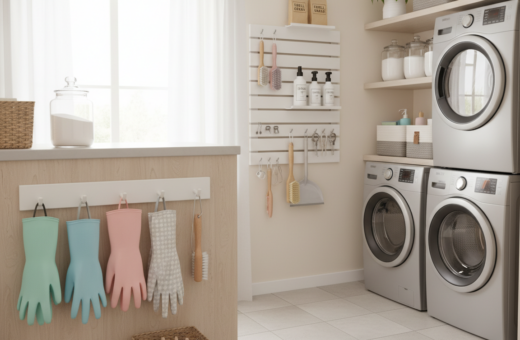
Installing simple hangers turns bare walls into efficient workstations for cleaning gear. This approach uses height instead of floor area to keep items orderly and easy to reach.
Using Zip Ties for Loops
If a handle won’t fit over a standard hook, a short zip tie makes a custom loop in seconds. This small fix converts a thick grip into a hangable loop without tools.
Strategic Placement
Place hooks on a free wall in a pantry, on a closet door back, or along the wall by basement stairs. These spots keep supplies accessible while freeing closet floor space.
- Low cost: Hooks turn empty vertical space into a practical organizer zone.
- Fast setup: A few hooks and ties create a dedicated place for every tool.
- Smart locations: Garage or pantry placement ensures items are handy when needed.
- Hang heavy items on wall studs for secure support.
- Create labeled spots so each tool has a home.
- Use plastic or rubber-coated hooks to protect handles.
Utilizing Door Backs for Cleaning Tools
A hinged door back can become a hidden toolkit that frees floor area while keeping cleaning gear within reach. LLG Residential Design LLC notes that utility closets gain usable space when hooks are placed on the rear of the door.
No floor space is used, and a previously wasted surface becomes a functional zone. This method keeps long-handled tools upright and prevents them from toppling during daily activity.
Why designers recommend it:
- Keeps tools out of sight yet accessible for quick tasks.
- Makes small closets far more efficient with minimal hardware.
- Works in kitchens, garages, and laundry rooms to reduce clutter.
For step-by-step photos and small-closet inspiration, see this space-saving closet feature. Simple hooks, adhesive hangers, or over-the-door racks create a tidy, practical solution that professionals often specify.
Effective Broom and Mop Storage Ideas
A compact, well-planned closet proves that smart layout beats sheer square footage when keeping long-handled cleaning tools orderly.
Nicholson Builders designed a roughly four-foot-wide closet that shows this clearly. The value is not size but an efficient layout that keeps items aligned and easy to reach.
Practical tips include adding a dedicated bin or small organizer to corral a dustpan and other small supplies. This keeps loose things hidden and prevents clutter on the floor.
When residents store their broom mop collection properly, the risk of falls and spills drops. A tidy utility closet saves time during chores and protects floor finishes.
- Use vertical hooks and a narrow bin to keep handles upright.
- Label zones so each tool has a defined place.
- Keep common cleaning supplies together for quick access.
Installing Wall Mounted Grippers
Wall-mounted grippers create a compact, dependable spot for handled cleaning tools. They clamp the neck of a broom and a mop so items stay upright and ready.
How they help: These hangers fit on any wall where one would place hooks—garage, closet, or utility room. They stop slipping, reduce falls, and free floor space for other uses.
- Professional-grade grip that secures handles without damage.
- Easy install on studs or drywall with standard tools.
- Works for Swiffers and similar heads as well as brooms.
- Perfect for creating order in a small utility closet.
- Maximizes usable wall space to clear floor clutter.
- Choose a straight section of wall near entry points.
- Mark studs, level the hanger, and fasten per instructions.
- Test each tool to confirm a snug hold before regular use.
Final note: Wall-mounted grippers are a long-term solution that keeps cleaning essentials orderly. They suit garages, narrow closets, and other tight utility zones where a reliable tool home matters.
Sliding Organizers for Narrow Crevices
A slim pullout unit turns tight gaps into useful, hidden tool zones. This storage option mounts to the wall and slides into narrow crevices, such as the slot beside a refrigerator. It tucks away when not in use and pulls out smoothly for chores.
Diskin Designs popularized a “side slide” pullout that hides behind a cabinet front. When closed, the cabinet frames the appliance for a finished look. When open, it reveals a neat place to keep a broom and related gear within reach.
- Maximizes slim space: perfect for gaps that would otherwise go unused.
- Keeps the utility closet free: mounting on the wall clears floor room for other needs.
- Custom cabinet fronts: let the pullout blend with kitchen millwork while offering practical function.
For small homes this organizer is an efficient solution. It keeps brooms and mops tucked away yet quickly accessible, making the most of every inch of space.
Implementing Clear Pocket Shoe Organizers
A clear-pocket shoe organizer turns a cluttered pantry wall into a visible, compact cleaning hub.
Hang it on a closet door or pantry interior so sprays, wipes, and sponges are easy to see. This method keeps every supply within reach and cuts the time spent searching for small items.
Homeowners can dedicate one row for sprays, one for sponges, and another for wipes. They will be amazed at how much one organizer holds.
Benefits:
- These organizers let users see where items sit at a glance.
- They maximize a small area without adding permanent shelving.
- Rows can be labeled so each product has a consistent place.
To store cleaning supplies efficiently, choose a clear-pocket unit with sturdy stitching. It is one of the most creative ways to reclaim space while keeping tools ready for use.
Creating Custom Side Cabinets
Homeowners can reclaim the decorative panel next to an oven by converting it into a shallow cabinet that fits trim and function. This idea makes clever use of an overlooked space in the kitchen without losing real estate.
Minnesota Cabinets, INC notes a narrow side unit fits inside an oven bay end without changing layout. The result holds a slim set of cleaning items and keeps them out of sight.
Decorative Oven Bay Conversions
This approach hides a single handle tool, a dustpan, and other small supplies behind a finished door. It creates a tidy nook that reads like millwork rather than a utility patch.
- Converts wasted trim into usable cabinet room for brooms and mops.
- Keeps cleaning supplies, including a dustpan, discreet yet reachable.
- Maintains a seamless look while adding practical function to the closet area.
“A shallow side cabinet makes use of the paneled space at the end of the oven bay that is often purely decorative.”
Designing Dedicated Pullout Closets
Pullout closets offer a smart, concealed option for keeping cleaning gear close to hand. A narrow unit that pulls from the kitchen hides tools behind a finished cabinet door while staying easy to reach.
Diskin Designs built a model that is slim across but sufficiently deep to hold a bucket, bottles, and long-handled tools. This layout uses depth rather than width to save valuable floor space.
Optimizing Depth for Buckets
Design for depth: plan the interior to fit a bucket at the base and bottles on adjustable shelves above. This keeps supplies upright and prevents spills.
Framing Appliance Aesthetics
Adding a cabinet front that matches nearby millwork frames the appliance and keeps the utility area discreet. When closed, the pullout reads like a normal door in the kitchen run.
- Fiberboard tracks or full-extension slides make the pullout smooth and durable.
- Use labeled sections so brooms and mops have dedicated spots.
- Place the door near the sink or service entrance for fast access during chores.
Result: a compact closet that keeps cleaning supplies organized, accessible, and out of sight in a busy room.
Incorporating Vertical Dividers for Efficiency
Divide a slim cabinet into distinct wells to stop items from leaning together and taking up extra space. PB Kitchen Design built a compact closet that separates an ironing board from a broom mop set. This keeps tools upright and easy to reach.
Why it works: Vertical panels create order inside a small closet. Each slot holds one cleaning tool so nothing topples or sprawls across the floor.
- Maximizes space: partitions let a narrow cabinet hold more without clutter.
- Protects supplies: separate wells prevent heads from rubbing or tangling.
- Speeds access: grab a single item without disturbing the rest.
For a kitchen utility area, adding dividers is a low-cost upgrade that improves function and appearance. A few simple panels yield a tidy, efficient closet that works every day.
Building Integrated Laundry Nooks
An integrated laundry nook turns a narrow utility corner into a compact, multi‑tasking work hub.
R & R Express LLC designed a closet that houses a washer and dryer while using the back of the door for built‑in shelving and hooks. This layout keeps cleaning supplies close by without stealing floor space in the laundry room.
- Doors fitted with hooks hold long-handled tools, keeping them upright and neat.
- Shelves on the inside of a door store sprays, cloths, and extra supplies within sight.
- The approach frees a garage or nearby closet because the laundry room doubles as a utility center.
This integrated plan keeps brooms and mops within reach while cutting clutter. Homeowners gain usable space, fast access to a single tool when needed, and a tidy room that blends utility with design.
Using Towel Bars for Spray Bottles
A simple towel bar can convert wasted under-sink space into an orderly station for spray bottles. Mount it on the inside of the cabinet door or along a short wall panel to keep bottles visible and upright.
Adding S-Hooks for Dusters
Slip the handle of each spray over the bar or add a small hook to hold odd-shaped bottles. For handheld dusters and small cleaning tools, hang S-hooks from the bar so everything lives in one neat place.
- Smart hack: A sturdy towel bar keeps spray bottles off the cabinet floor and easy to grab.
- Multi-use: Add S-hooks to hang dusters and compact tools so each item has a dedicated place.
- Fast install: This under-sink solution works with basic screws and a drill, making it a go-to trick for busy households.
- Cleaner routine: Arranging items this way streamlines cleaning and prevents spills or crushed bottles.
Organizing Supplies with Cleaning Caddies
A grab-and-go caddy streamlines chores by grouping room-specific items into one portable unit. Fill a kitchen caddy with sprays, sponges, a dustpan, and a small bin so everything is ready for a single pass through the room.
Make a second caddy for the bathroom and stash it under the sink or inside a nearby closet. This keeps cleaning supplies accessible without cluttering countertops or shelves.
- They let users grab all necessary supplies in one go, saving time.
- Store a caddy under the sink or in a utility closet for quick access.
- A single bin holds smaller items like sponges, a dustpan, and bottles neatly together.
Keeping dedicated caddies for the kitchen and bathroom reduces the time spent searching for items. It also prevents cleaning products from crowding other home storage areas while making routine tasks simpler and faster.
Conclusion
A focused plan for where items live transforms a cluttered corner into an efficient utility zone. This approach makes routine cleaning faster and keeps the home looking tidy.
Implementing simple solutions—from wall-mounted grippers to slim pullouts—lets each tool have a dedicated place. Using a compact organizer or a shallow closet keeps supplies accessible while out of sight.
Choose the option that suits the floor plan and daily habits. The right setup reduces clutter, speeds chores, and preserves floor finishes. Small upgrades deliver big returns for an orderly, functional home.