Small living spaces can still support a practical wash area when design and habit align. People who prioritize a neat, dedicated place for supplies save time and reduce stress on busy days.
When they make laundry a routine task at home, residents avoid frequent trips to a distant laundromat. Keeping detergent and cleaners stored safely makes each wash day smoother and faster.
Every machine should be placed to maximize motion and access, so movement through living areas stays free and comfortable. Many find that an on-site facility or clever in-unit layout is the best way to manage weekly washing chores.
Since 1984, Red Oak has helped people across New Hampshire find apartments with the right apartment laundry environment to fit daily needs.
The Importance of a Functional Laundry Area
A well-planned wash area can save time and improve resident satisfaction across a building. When facilities are convenient, people spend less time chasing errands and more on daily life.
Investing in a proper laundry room boosts value. A single installation can cost a few thousand dollars, while major overhauls may reach $50,000. Still, the long-term gains for the home and the community often justify the expense.
Well-maintained facilities also help keep common spaces clean and equipment reliable. That reliability strengthens retention, because many tenants choose a place based on available amenities.
- Convenience within the building encourages residents to stay.
- Functional laundry rooms increase market appeal in crowded U.S. markets.
- Proper upkeep ensures fair access and fewer complaints.
Maximizing Your Apartment Laundry Room Setup
Smart planning turns a compact wash corner into a practical, time-saving hub for residents. A clear plan guides placement of machines, storage and a utility sink so the space works for everyone.
Planning the Layout
Allow at least five feet of horizontal space for a side-by-side washer and dryer. Stacking is an option, but side-by-side helps with sorting and counters.
A utility sink is essential for pre-treating stains. Include ventilation paths—windows or dedicated ducts—to protect finishes and ensure safe drying.
Measuring Your Space
Measure carefully before buying equipment or cabinets. Accurate dimensions prevent costly returns and make small laundry room ideas work.
“Industry guidance recommends one washer and dryer per 10 units to reduce wait times.”
- Fit washer dryer combos or side-by-side sets into measured bays.
- Add smart storage to keep the laundry area tidy for all residents.
- Plan ventilation and access to utilities during layout design.
Creative Use of Vertical Space
Looking up instead of out often frees the most valuable square footage in tight living areas.
Use tall solutions to maximize a small laundry room. Contractors often install 24-inch stacking washer/dryer units to solve tight layouts in older brownstone builds. Stacking frees floor area for folding tables or baskets.
Wall-mounted organizers and a slim drying rack keep air and access open without taking floor space. A well-placed drying rack speeds drying and keeps garments off chairs and counters.
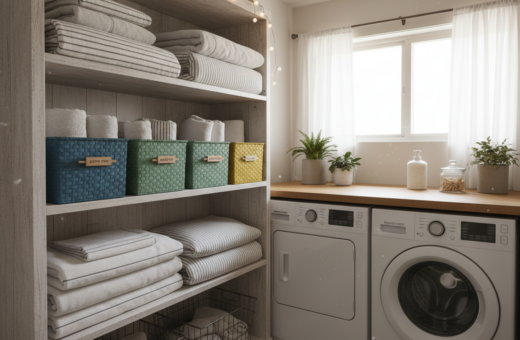
Shelves above machines provide reachable storage for detergents and stain treatments. These shelves turn idle vertical surfaces into organized space that residents can use daily.
“By thinking vertically, a tiny closet can become a fully operational laundry room that meets household needs.”
- Install 24-inch stack units to save footprint.
- Add wall racks for airing delicates.
- Create shelving for clear, labeled storage.
Selecting Compact Machines for Tight Quarters
Choosing compact, ventless machines lets small interiors host full-featured washing and drying without exterior ducts. This makes it possible to install modern equipment in closets, hall nooks, or converted cabinets.
Ventless Technology Options
Ventless washer dryer units use condensation or heat-pump systems to dry clothes without an outside exhaust. They work well where exterior venting is impossible or prohibited by code.
Many residents in older buildings prefer these units because installation needs less renovation. A ventless washer and dryer can fit into small spaces and reduce costly ductwork.
- Compact machines handle full loads efficiently and save floor area.
- Ventless units allow placing laundry machines in closets and bathrooms.
- Choosing the right model keeps the home comfortable and minimizes humidity issues.
“Ventless technology creates functional wash areas where traditional venting makes installation impractical.”
Tip: Check manufacturer specs for capacity and energy ratings before buying. Proper selection extends equipment life and keeps shared units reliable in multi-unit buildings.
The Benefits of Stackable Washer and Dryer Units
Using vertical washer dryer pairs lets residents maintain full-capacity cleaning without a wide footprint. These stackable units free floor area and make narrow spaces practical for everyday tasks.
Stackable machines deliver the power of full-sized washers and a single-drawer dryer in half the floor space. That compact design fits into a kitchen cabinet, a small hallway alcove, or a shared closet without sacrificing cycle options or capacity.
Modern laundry machines often include vibration controls and quick-install kits to ease stacking and reduce noise. Choosing quality models reduces service calls and keeps cycles consistent for years.
- Save floor space while preserving full load capacity.
- Fit a complete system where side-by-side units would not fit.
- Keep other appliances or storage space available in tight interiors.
“Stackable units offer a complete laundry solution with minimal footprint.”
Integrating Laundry into Kitchen Layouts
Hiding washing machines behind cabinet doors preserves a kitchen’s visual flow while adding full functionality. Integrating a small laundry area into the kitchen maximizes usable space and keeps chores close to daily routines.
Cabinet Integration
Custom cabinets conceal a washer and dryer and maintain a unified look across the home. Under-counter units slide into standard runs to free floor area and provide a tidy surface for food prep.
Plan dedicated storage for detergent and stain treatments. Closed drawers reduce clutter and keep supplies out of sight but within reach.
Appliance Matching
Matching finishes between kitchen appliances and washer dryer units creates a cohesive, professional appearance. Many owners choose stainless or panel-ready models so machines blend with cabinets.
- Use panel-ready units to match cabinet faces.
- Choose under-counter models to save space and preserve workflow.
- Provide ventilated cabinet fronts or removable panels for service access.
Hidden Storage Solutions for Detergent and Supplies
Concealed shelving and pull-out trays transform clutter into quick-to-reach supplies that stay out of sight.
Hidden storage is vital for keeping a laundry room organized, especially when bulky detergent bottles and baskets need a home. Pull-out drawers keep items accessible but unseen until needed.
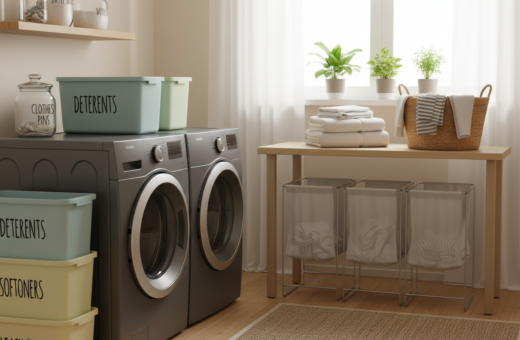
Designers recommend a dedicated zone for drying racks and baskets so the room stays clutter-free. Vertical shelving stores extra detergent and saves time during weekly cycles.
Concealment creates a polished look that makes a small space feel larger and more inviting. Simple cabinet fronts or sliding doors hide supplies while keeping them handy.
“Effective storage solutions are the foundation of any successful laundry area.”
- Install pull-out trays for heavy bottles and detergents.
- Reserve a shelf or bin for baskets to keep floors clear.
- Use tall shelving to store extras and cut prep time.
Utilizing Alcoves and Closets
An overlooked alcove can become a compact workhorse when fitted with a stackable washer dryer and thoughtful storage. Converting a closet into a functional laundry room adds value and avoids major renovation.
Maximize vertical storage by adding shelves above the machines for detergent, stain removers, and spare supplies. A slim folding shelf or pull-out board makes the most of limited space and keeps chores efficient.
Door Concealment Techniques
Good door choices hide machines when they are idle and keep the living area tidy. Bifold doors fold compactly, while sliding panels clear the opening without taking hallway space.
- Install a ventilated door to protect finishes and allow airflow.
- Use a pocket or sliding track to save clearance in narrow halls.
- Add magnetic catches so doors close quietly and look seamless.
By using these strategies, residents create a neat laundry area that fits the existing room plan and improves daily flow.
Essential Accessories for Small Wash Corners
A few well-chosen tools can transform a cramped wash nook into a calm, efficient zone. Practical accessories keep chores quick and prevent clutter from piling up.
Start with the basics: a sturdy drying rack and high-quality baskets make sorting and airing garments simple. A collapsible rack saves space when not in use.
Keep a small stock of detergent and dryer sheets on hand. Storing these supplies in dedicated baskets helps everyone find what they need fast.
- Sturdy drying rack for air-drying delicate items.
- Durable baskets to sort and carry loads.
- Collapsible tools and compact accessories for tight corners.
Specialized sheets and protective accessories also help extend garment life during cycles. By investing in these simple things, residents streamline chores and make small wash areas far more functional.
Maintaining Proper Ventilation in Enclosed Spaces
Venting and airflow are the first line of defense against mold and persistent damp smells in closed spaces.
Proper ventilation prevents humidity buildup that leads to mold in a small laundry room. If a space lacks windows, install a high-quality exhaust fan sized for the area.
Good airflow protects clothes, walls, and machines. It also reduces stray odors and keeps surfaces dry.
Simple measures help manage moisture: run the fan during and after cycles, leave doors open briefly, and check ducts for blockages.
- Use desiccant packs or moisture absorbers and occasional specialized sheets to cut humidity.
- Verify vents and fans work correctly with regular inspections and cleanings.
- Consider professional guidance for duct routing or to learn about proper dryer vent installation.
“Prioritizing airflow prevents damage to walls and machines while keeping the laundry area fresh and clean.”
Smart Lighting Strategies for Dark Laundry Nooks
A focused lighting plan turns a dark niche into a practical area for sorting, treating, and folding.
Bright LED or high-output fluorescent fixtures work well in basement areas. They boost visibility so stains and spills are easy to spot.
Layered lighting helps: combine an overhead fixture with task lighting above counters or machines. This makes the space feel larger and more inviting.
Motion-sensor lights save energy and add convenience. They ensure the area lights only when someone enters, which is useful for quick trips.
- Use cool-white LEDs for true fabric color and to read settings clearly.
- Add under-cabinet or strip lights to reduce shadows when sorting.
- Position a focused light to prevent lost socks or missed dryer sheets.
“Good illumination prevents missed spots and speeds routine fabric care.”
Tip: Choose durable, energy-efficient bulbs and test placement before final installation to maximize usefulness and comfort.
Establishing Courteous Habits in Shared Facilities
Simple courtesies make shared laundry areas more efficient for everyone who uses them. Clear habits reduce overlap, cut wait times, and keep machines in better condition.
Timely Machine Removal
Set a timer on a phone or watch so clothes come out as soon as the washer or dryer finishes. Prompt removal frees the washer and dryer for the next person and keeps the space moving.
Respecting Others’ Property
Never touch another person’s clothes, detergent, or baskets. Respecting property prevents conflicts and protects personal items left briefly in the shared place.
Planning Full Loads
Load machines efficiently to save water and electricity. Running full loads is a considerate way to use shared machines and keeps costs down for the building.
- Establish courteous habits in your apartment laundry room to ensure a positive experience for people who live in the building.
- Always remove clothes quickly and avoid moving others’ things.
- Set timers, plan full loads, and use dryer sheets sparingly to help everyone on wash day.
“By following simple rules, residents make laundry day more pleasant for everyone.”
For more building-wide best practices, see the apartment building laundry guide.
Managing Security and Access in Communal Rooms
Modern access controls reduce unauthorized use and give managers a clear audit trail. Systems such as the ButterflyMX keypad let residents enter via smartphone or PIN while keeping logs of who used the space and when.
Securing a shared area protects property and personal items. Controlled entry prevents vandalism and theft and makes the area safer for everyone in the building.
Combine electronic locks with video monitoring and periodic reviews of access logs to maintain oversight. A single secure door can stop most unauthorized visits.
- Install keypad or mobile-access systems for authorized entry only.
- Use cameras and controlled door access to deter theft.
- Have managers review access logs regularly for irregular activity.
Implementing modern tools gives residents peace of mind and protects shared machines. A secure laundry room becomes a stronger amenity that raises the overall value and comfort of the apartment community.
“A reliable access system reduces misuse and supports fair use by all residents.”
Incorporating Utility Sinks for Pre-treatment
A shallow utility basin beside the machines turns pre-treatment into a fast, tidy habit. It gives people a place to tackle muddy or food-stained clothes before they reach the washing machine.
Installing a sink saves time and protects the washer from clogs caused by heavy grit. It also creates a practical space for rinsing paint brushes, pet bowls, or sports gear without tracking mess through the home.
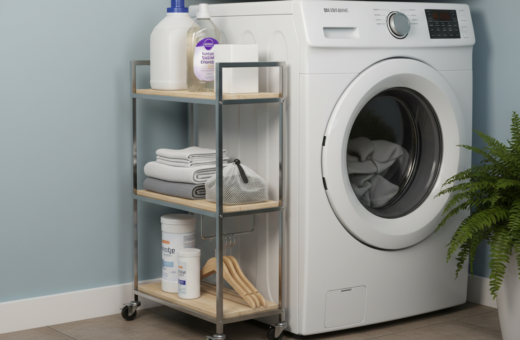
Keep detergent and stain treatments nearby on a small shelf so supplies stay organized and spills are easy to manage. A nearby drying rack or hook makes short air-dry tasks simpler.
- Dedicated pre-treatment zone: reduces wear on the washing machine and speeds the process.
- Versatile cleaning: useful for household items beyond clothes.
- Cleaner shared spaces: prevents debris from spreading through the building or units.
“A well-placed sink is a hallmark of a functional laundry area, helping people handle tough stains quickly.”
Choosing the Right Flooring for Wet Zones
A resilient surface under machines protects the building and speeds cleanup after accidents.
Durable materials like concrete or tile are top choices for a laundry room because they resist moisture and stand up to heavy use. Concrete is water-resistant, easy to sanitize, and survives heavy foot traffic and occasional leaks.
Avoid carpet or untreated wood near wash areas. These materials absorb spills and detergent, which leads to stains, odors, and mold over time.
Property managers often select concrete floors for shared rooms because they need less maintenance and recover quickly after cleaning. Good flooring keeps the area safe and hygienic for residents who use machines across the week.
“Selecting water-resistant flooring protects the building from costly water damage and keeps shared spaces looking professional.”
- Choose tile or sealed concrete for easy cleaning and durability.
- Steer clear of carpet and softwood in wet zones.
- Proper flooring reduces repairs and improves the use of common laundry rooms.
Conclusion
Small changes in layout and habits often yield big gains in efficiency and satisfaction.
Careful planning—selecting durable machines, adding smart storage, and setting clear community rules—keeps a compact room working smoothly. These choices save time and reduce conflicts among neighbors.
Keep essentials like detergent and spare sheets accessible but out of sight with concealed shelves and pull-out trays. That simple habit protects supplies and makes chores faster.
When residents and managers invest in quality equipment and routine maintenance, the whole building benefits. These steps help turn a tight corner of the home into a dependable, low-stress place for everyday care.