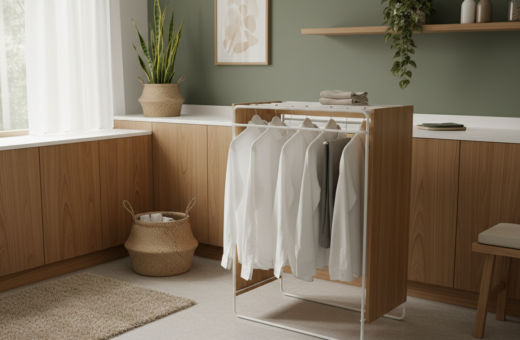
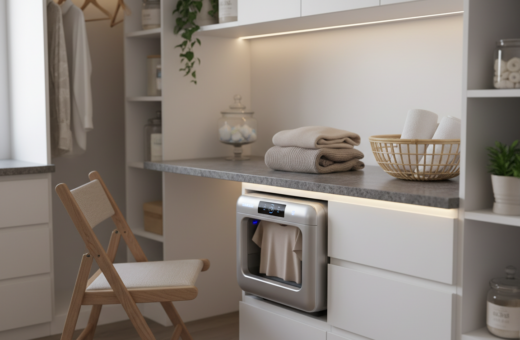
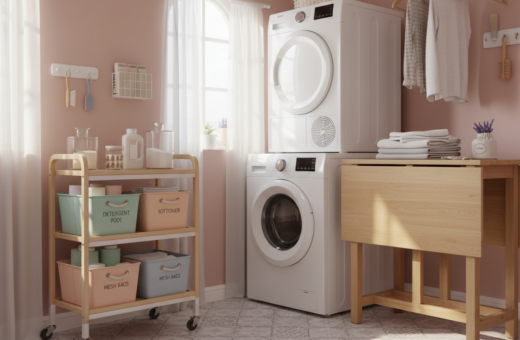
Busy families often need smart fixes to manage chores when a dedicated utility room is not available. A compact, foldable surface can create a helpful workspace that tucks away when not in use.
Wall-mounted models earned praise for saving space and staying sturdy. Mount-It! products scored 4.7 out of 5 stars from verified buyers, with 3 reviews noting easy installation and solid build quality. These ratings helped shoppers choose reliable, space-saving options for their home.
With simple installs and slim profiles, homeowners transformed cramped corners into usable work areas. A fold-down surface fits small rooms and adapts to changing needs. This section shows practical ideas and trusted data to guide a confident purchase.
Why Small Homes Need a Drop Leaf Laundry Table
In compact homes, a fold-down surface can transform a cramped corner into a useful work area. Families who juggle multiple tasks find a folding surface helps keep the room organized without stealing floor space.
Paula noticed the difference after her family grew from three children to five. She said managing a busy day became simpler once she installed a wall-mounted, folding surface in her combined bathroom and laundry room.
The author once used a 6 ft folding unit that dominated the floor and limited use of the room. Switching to a mounted, fold-away option reclaimed space for other daily activities and chores.
- Dedicated folding surfaces make laundry day faster while keeping floors clear.
- In small spaces, every inch matters; a compact folding unit supports neat storage and easy use.
- A model designed for table small spaces folds flat when not in use, restoring circulation in the room.
“A wall-mounted unit gave Paula the counter space she needed without a permanent footprint.”
In short, choosing the right folding table for small spaces lets families use work surfaces only when needed and keeps shared rooms functional all day.
Assessing Your Available Laundry Room Space
Measure once, install once: plan before you buy so the new surface fits and works well. Start by imagining the unit open. Note doors, dryer vents, and any appliances that could block movement.
Measuring Floor Clearance
Check floor clearance so the surface won’t hit a dryer door or cabinet when extended. Measure from the wall to the appliance edge and include hinge swing.
Tip: account for about two inches of extra room to avoid snags. A correct clearance preserves traffic flow and keeps the area usable when the surface is open.
Identifying Stud Locations
Locate studs with a reliable finder and mark them at the height where the ledger will mount. Paula emphasized using a level so the wall board sits straight.
Secure the ledger directly into studs to ensure the setup holds up under heavy loads. Proper anchoring prevents wobble and protects the mechanism during repeated use.
- Measure clearance to avoid contact with doors or vents.
- Find and mark studs for a secure table wall mounted installation.
- Lay out the room folding table position to keep traffic clear.
- Use a level during installation for a flat, reliable surface.
“Using a level made the folding mechanism operate smoothly,” Paula said.
Key Features to Look for in a Drop Leaf Laundry Table
A smart design balances strength, size, and smooth operation for daily chores.
Durable top matters most. The DIY approach used a 3/4″ 2′ x 4′ MDF sheet for a smooth folding surface that resists dents and stains. A solid top keeps clothes flat and speeds folding.
Hinges and mounting must be heavy-duty. Look for hardware rated for repeated use so the mounted folding table opens without wobble. Smooth action reduces strain in busy rooms.
Fit the item to the room. Measure depth and width so the folding table small fits under cabinets and clears doors. A compact design saves space while giving a usable top when needed.
- Balance price and features: compare cost against hinge quality and top material.
- Choose the right dimensions: match the unit to existing appliances and cabinetry.
- Aesthetic + function: select a finish that suits the room and holds up to daily use.
“A well-chosen mounted folding table turns tight space into a reliable work surface.”
For a step-by-step DIY approach, consider the DIY wall-mounted folding unit as a reference for materials and sizing.
Material Durability and Load Capacity
Assessing material strength and rated loads is essential before committing to any mounted work surface. Proper material choice and hardware determine how many lbs the unit will safely hold. Choose parts that match expected use to avoid early wear or failure.
Understanding Weight Limits in Lbs
The DIY project used 3/4″ plywood and 2″ screws to create a rugged top that resists bending under heavy weight. Butcher block surfaces are often recommended because they span longer distances without bowing.
Tip: verify the rated capacity of brackets and anchors in lbs, not just a vague “heavy duty” label. Real numbers show safe load limits.
- Design for expected weight: factor laundry baskets, cleaning supplies, and an extra margin of safety.
- Use steel hardware: reinforced steel brackets and metal fasteners preserve load capacity over years of folding cycles.
- Combine materials: solid wood or MDF tops plus metal supports reduce sag and increase duty life.
- Confirm maximum capacity in lbs on product specs before purchase or build.
“A reliable setup pairs a stiff top with quality metal brackets to maintain capacity and avoid sagging over time.”
Benefits of Wall Mounted Folding Designs
Mounting a fold-away surface on the wall converts idle vertical space into a practical workspace. This wall mounted solution frees floor area and keeps the room uncluttered.
Space saving: A mounted folding design tucks flat against the wall when not in use. That makes it ideal for a small laundry room or multi-use area.
Clean, professional look: The flush design hides hardware and keeps sightlines tidy. Guests see a neat wall instead of bulky furniture.
Versatility: A mounted folding table can act as a staging surface, an ironing spot, or a quick workspace. It supports varied routines without permanent footprint.
- Keeps floors clear and traffic unobstructed.
- Installs where vertical space is unused.
- Maintains a sleek, mounted design that blends with cabinetry.
“A wall mounted folding design is the ultimate space-saving solution for homes without dedicated utility areas.”
Comparing Professional Models Versus DIY Projects
Choosing between a factory-made unit and a home-built solution comes down to priorities: finish, fit, and long-term use. Each path offers clear benefits depending on the home’s layout and how often the surface will see use.
Customization Options
DIY builds let users match exact dimensions and materials to their room. Paula noted her project allowed massive customization for odd corners and cabinetry.
If precise fit matters, a custom build wins. Hardware-store cutting services remove the need for a table saw and make customized boards easy to obtain.
Cost Effectiveness
Price often favors DIY: material-only expenses typically undercut comparable ready-made models. Comparing quotes shows a self-built unit can save money while delivering the same functional use.
Skill Level Requirements
Professional options come pre-drilled and finished, which reduces install time for those with limited skills. A DIY route requires basic carpentry and hardware knowledge.
- A DIY fold table project customizes size and style at a lower price point.
- Prefabricated folding table options save time with ready finishes and fittings.
- Choose based on expected use: frequent heavy use may justify a professional model.
“A simple plan and a few quality parts let homeowners build a durable, personalized work surface.”
Essential Tools for Installing Your Folding Table
Good tools matter: they keep the wall unit straight and the folding action smooth.
Core power tools include a table saw for accurate rip cuts and a miter saw for precise end cuts. A quality screw gun speeds fastening and reduces install time.
Finish fast: a brad nailer helps secure the shelf base before final screws are driven. These tools make the build cleaner and more stable.
Level and layout: using a long level when mounting the ledger is critical. Proper leveling prevents misalignment that can jam the folding mechanism.
- Use high-quality steel screws and metal brackets for long-term stability of the mounted folding table.
- A professional install often calls for steel hinges rated for repeated use and a miter saw for exact fits.
- Include the cost and price of essential tools—drill, level, and tape measure—when budgeting the project.
“Secure the ledger into studs and double-check the level before attaching hinges.”
Selecting the Right Height for Ergonomic Folding
A well-set surface height keeps shoulders relaxed and chores moving smoothly.
Paula chose a 35-inch height for her DIY unit and found it comfortable for most folding tasks. She tailored that height to match her washer and dryer and her own reach.
When sizing a new work surface, measure while standing with arms relaxed at your sides. The best height supports the forearms at about waist level so shoulders do not lift.
If the unit will double as a home office spot, test seated comfort before finalizing the mount. Ensure a chair and knee clearance work with the chosen height so the fold desk option stays useful.
- Selecting the right height prevents back strain and speeds task completion.
- Start with 35 inches as a reference, then adjust for personal height and appliance heights.
- For a dual-use fold desk, confirm seated ergonomics and monitor placement.
“A height tailored to the user turns a simple work surface into an efficient, ergonomic station.”
For guidance on fine-tuning dimensions to your body, consult a short guide to optimal table height before final installation.
Maximizing Storage Under Your Laundry Table
Under-counter storage turns a simple folding surface into a powerful organization hub. Thoughtful design makes the area beneath the top useful for sorting, stashing, and staging garments.
Utilizing Sorters and Hampers
Paula sized her unit to fit three large baskets under the top. That choice kept dirty clothes off the floor and made sorting fast.
When the surface folds down, it hides sorters and keeps the room tidy. The result is a cleaner sightline and faster routines.
- Maximize hidden storage: tuck baskets and hampers under the folding table to free floor space and reduce clutter.
- Keep supplies handy: use baskets or pull-out bins for detergent, mesh bags, and stain treatments.
- Design for clearance: allow enough room between floor and top so large hampers slide easily for daily use.
“A long work top that stores three baskets below turned a small corner into a complete sorting station.”
Aesthetic Considerations for Shared Laundry Spaces
A coordinated color and texture palette helps a folding surface disappear in a multi-use room. Paula painted her shelf base, sanded edges, and chose a warm, family-friendly hue so the unit reads like built-in furniture.
Match nearby finishes: when the laundry room doubles as a kitchen or dining area, pick tones and hardware that mirror cabinets and dining furniture. This makes the folding table feel intentional rather than an afterthought.
Use small accents like fabric covers, trim moldings, or distressed sanding to blend utility with style. These touches can make a room folding surface read as a high-end dining table when it is closed.
- Choose decorative finishes so the unit complements kitchen and dining decor.
- Pick family-friendly paint and durable top finishes for shared rooms.
- Opt for designs that hide hardware for a cleaner, furniture-like look.
“A stylish folding table can blend seamlessly into a kitchen or dining space, making it look like a piece of custom furniture.”
Safety Tips for Heavy Duty Mounted Hardware
A heavy duty install begins at the ledger — secure it well and the rest follows. Fastening the ledger into wall studs is the single most important step for a safe, wall mounted solution.
Use heavy duty steel brackets and anchors rated for the intended load. Screw the ledger directly into studs with long, structural screws to prevent the mounted folding table from pulling away under load.
Where possible, drill holes through the butcher block top and drive screws into the table legs. This adds a secondary connection that holds the top and base together during heavy use.
- Always use heavy duty steel hardware when installing a wall mounted folding unit to support weight safely.
- Regularly inspect metal hinges and wall mounted brackets; tighten fasteners after months of daily use.
- Anchor the unit into studs to avoid the heavy duty structure pulling away from the wall.
- Ensure all steel components are rated for the load capacity and are flush to avoid snagging.
“Proper installation and routine checks are the best defenses against unexpected failures.”
Maintenance and Fabric Care for Table Surfaces
Smart fabric choices make surface care faster and cut long-term repair costs. Paula recommended vinyl or an easy-to-wipe fabric for a busy work surface. These materials resist stains and clean with a damp cloth.
The DIY top was covered in fabric and stapled tight to the underside to keep the folding action smooth. A neat underside prevents bunching and reduces friction during use.
Regular care keeps parts working: wipe the surface after spills, and oil pivot points on hinges when they creak. Clean steel hardware to prevent rust and maintain smooth motion.
- Use durable, wipeable fabrics that handle heavy duty cycles and frequent cleaning.
- Choose indoor outdoor fabrics when moisture and stains are common in the room.
- Factor price of higher-quality fabric into the overall project cost for longer life and less replacement.
- Inspect and clean steel hinges and fasteners every few months to ensure reliable use.
“A well-chosen cover and basic hinge care mean the unit stays useful for years.”
Integrating Your Table into a Multi-Purpose Room
A well-placed mounted desk can shift between office tasks, meal prep, and gear storage with ease. In many homes, a wall mounted unit served as a compact desk by day and a dining surface when guests arrived.
They used a mounted folding design to hold swim gear, hunting packs, or everyday supplies. This made the unit a true storage hub for a busy family.
Choosing indoor outdoor materials helped the surface endure spills and heavy use. That allowed the desk to move easily between the kitchen and a home office without showing wear.
- A wall mounted folding unit works as a laundry room station, a home office desk, or casual dining spot.
- Pick a design that matches the kitchen or office to add visible value to the home.
- Ample storage under the top keeps baskets and gear organized and out of sight.
“A mounted folding surface reclaimed floor space while giving a reliable spot for chores and work.”
Conclusion
A compact mounted work surface delivers big convenience in a modest home. It creates a usable spot for folding, sorting, and quick tasks without a dedicated utility room.
Follow proper install steps to make the wall mounted solution secure and long lasting. Use quality hardware, mount into studs, and test weight limits before regular use.
Whether built as a DIY project or bought as a professional unit, the right choice makes any laundry room more efficient and neat. Many homeowners pick a long weekend—such as Memorial Day—to complete the install and tune the fit.
With careful planning and good materials, a mounted work surface becomes a durable, space-saving upgrade that serves the family for years.