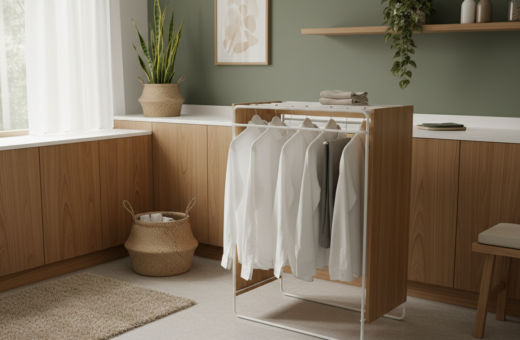
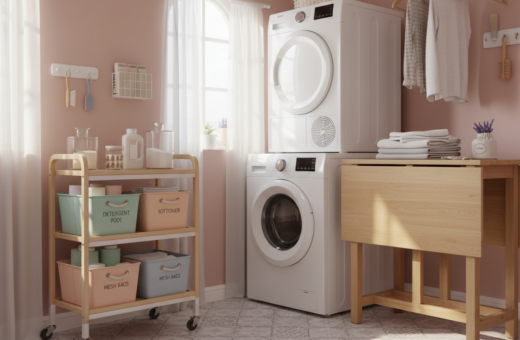
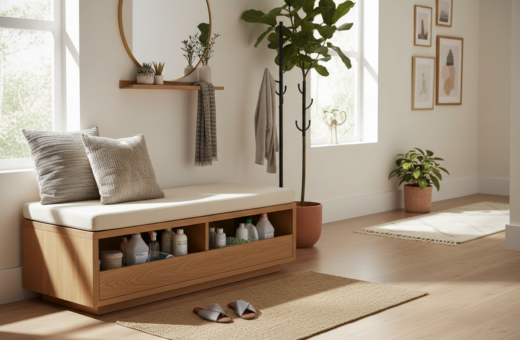
The small wash area had once felt like a chore trap. Designers showed how a compact setup could turn tight space into an efficient work zone. Smart surfaces and vertical storage were prioritized to keep movement free and tasks quick.
They recommended units that matched common price points. For example, the CATGOOD rolling hamper with four bins was priced at $53.29, while the Wire Commercial cart and the Laundry Sorter with hanging rack ran about $89.99 and $79.88. Budget baskets, like the Norcho 100L at $17.99, and larger models such as the GIKPAL 142L at $69.99 were also noted.
Practical tips were simple: keep a clear surface, use vertical racks, and choose removable bins for easy washing. When users adopted a dedicated area, the act to fold felt less like work and more like a natural part of the home routine.
Transforming Closet Spaces into Functional Laundry Hubs
A compact niche can become a practical wash area with a clear plan and smart fixtures.
To turn a standard small area into a working laundry room, designers recommend a strategic layout that uses every inch of floor space. In many modern homes, the room doubles as a multi-use space where clothes are washed, dried, and folded with efficient flow. Adding a custom table creates a dedicated zone for folding that keeps the rest of the room open and breathable.
A slim, tuck-away table helps small spaces stay tidy. When the table folds against the wall, the room feels larger. Light paint, good task lighting, and well-placed shelves make the space inviting and easier to use daily. Organized zones ensure clothes move smoothly from washer to work surface.
- Maximize vertical shelving for supplies and baskets.
- Choose a shallow table depth to preserve circulation.
- Keep frequently used items at elbow height for fast access.
A thoughtful layout and compact table solutions help transform tight areas into efficient laundry rooms that feel calm and productive.
Benefits of a Dedicated Closet Laundry Folding Station
Creating a permanent spot for sorting and finishing garments changes how a room performs daily. A clear area reduces visual clutter and gives every task a place to happen.
Space Efficiency
One dedicated section saves space by keeping socks and small items grouped instead of scattered across counters. Built-in storage bins and shallow shelves free floor area and make the most of vertical storage.
Workflow Optimization
Streamlined steps cut the time needed to sort, stack, and put away clothes. When supplies are within reach, chores move faster and large loads are easier to handle.
- Separate sections for colors, delicates, and towels reduce rework.
- Accessible storage keeps detergents and tools nearby during the process.
- Consistent placement of items helps prevent lost socks and missed garments.
Ergonomic Considerations for Laundry Room Design
Ergonomics can turn a cramped wash area into a healthier, faster workspace. OSHA guidance encourages work surfaces that reduce repetitive strain and support neutral posture during tasks.
When planning a laundry room, the height of the work surface matters. Set the folding surface to match the user’s elbow height to avoid bending or reaching.
Comfort prevents injury. A thoughtful layout reduces back and shoulder stress and keeps daily chores painless.
Designers advise minimizing reach distance and keeping frequently used items close. This speeds work and lowers the chance of strain.
- Place the work surface at personal elbow height where possible.
- Keep clear movement paths so the room supports natural motion.
- Ensure the folding laundry area allows a neutral stance for long tasks.
Incorporating ergonomic principles into a laundry folding station improves efficiency and long-term health in small rooms. Thoughtful design keeps chores simple and safe.
Selecting the Right Countertop Depth for Small Rooms
Choosing the right countertop depth makes small rooms feel much more functional. A compact countertop keeps the room clear while still providing a useful work surface. This balance matters in any laundry room where every inch counts.
Measuring for Comfort
Measure the usable width and depth of the room before buying a countertop. For many homeowners, a 20 to 24 inches deep washer dryer countertop preserves circulation and fits standard appliances.
Installer guidance often recommends at least 24 inches to fit baskets and basic folding needs. Some choose a 30-inch countertop when they want more surface without overwhelming the space.
- 20–24 inches maximizes floor space for tight rooms.
- 24 inches is a practical minimum for standard baskets and drawers.
- 30 inches gives a roomy surface for larger folding tasks while still fitting many small spaces.
- Integrate storage drawers or drawers beneath the countertop to keep the laundry room organized.
“Measure twice, install once — a correct depth prevents costly changes later.”
Maximizing Vertical Storage with Wall Mounted Solutions
Wall-mounted racks unlock unused vertical real estate and change how a small room functions.
Install a sturdy drying rack to make the most of vertical storage in a tight laundry room. A wall-mounted rack keeps clothes off the floor and frees up workable space for other tasks.
Choose a solid unit that supports delicates and heavier items. A fixed or fold-down drying rack gives a reliable place to air-dry shirts and knitwear without crowding the main work surface.
- Keep the floor clear so people can move while folding or loading machines.
- Create a dedicated drying zone that does not interfere with the primary work area.
- Use vertical storage to handle large loads of clothes without clutter.
Professional organizers often recommend wall-mounted solutions to preserve circulation and improve efficiency. For more ideas on compact storage and layout, see expert laundry room storage ideas.
Integrating Ironing Boards into Compact Workspaces
Smartly placed ironing options turn tight service areas into multitask work zones. A small, well-planned setup keeps ironing and finishing close to the main work surface so garments move from washer to care without extra steps.
Built-in vs freestanding
Built-in vs Freestanding
A built-in ironing board tucks into a cabinet or wall and frees floor space. It hides when not in use and is ideal for a compact laundry room that serves many functions.
A freestanding board offers flexibility but can crowd a small room. For many homes, a wall-mounted or foldable ironing board balances access and storage.
Heat resistant surfaces
Heat Resistant Surfaces
Choosing a table with a heat resistant surface lets users iron safely next to the folding area. This saves time and reduces transfers of hot clothes across the room.
- Save space: wall-mounted boards fold flat against the wall.
- Touch-ups: integrated boards make it easy to press clothes before putting them away.
- Ergonomics: set the board height to elbow level for comfort during long tasks.
“A compact ironing solution keeps garments crisp without a separate bulky board.”
Mobile Folding Carts for Flexible Laundry Management
A wheeled cart turns a tight room into a mobile work surface that follows the workflow. It brings the sorting and finishing tools where they are needed most.
Mobile carts like the CATGOOD Rolling PP Hamper ($53.29) and the Petoto 3 Bag Sorter ($86.99) provide compact storage with easy movement. The Wire Commercial Rolling Cart ($89.99) adds a sturdy rack for hanging clothes while finishing tasks.
Choose a unit with locking wheels to keep the station steady during folding or pressing. Multiple baskets make sorting simpler and keep colors and delicates separated in one section.
- Move the cart to the washer or dryer to cut steps across the room.
- Tuck the unit away when not in use to free floor space.
- Use the hanging rack to finish shirts and delicate items on the fly.
“A portable cart acts as a true laundry folding station, making chores faster and more flexible.”
Utilizing Pull Out Drying Racks for Delicate Garments
A pull-out rack transforms a tight cabinet into a gentle, purpose-built drying area for delicate garments. It gives a clean place to air dry fine items and keeps them safe from the heat of a machine dryer.
Airflow Requirements
Proper airflow is essential so clothes dry quickly and stay fresh. Place the cabinet near a vent or a passive vent opening to promote circulation.
A well-ventilated cabinet reduces musty odors and shortens drying time. Designers often add small gaps or mesh panels to encourage steady air movement.
- Install a pull-out drying rack inside a cabinet to save floor space and keep a professional look.
- Position the rack close to a vent to boost efficiency and lower humidity build-up.
- Use the pull-out design to protect delicate clothes from dryer heat and extend garment life.
The convenience of a pull-out rack makes it easy to move from washing to drying without leaving the room’s core work area.
“A built-in drying solution preserves delicate garments while reclaiming valuable space.”
Essential Materials for Custom Laundry Furniture
Material selection determines whether custom storage lasts through years of heavy use. For a reliable cabinet, choose moisture-resistant plywood or marine-grade MDF where humidity is a concern.
The price of custom pieces varies by wood species and hardware. Solid hardwood raises the price but adds long-term value. Engineered panels lower upfront cost and still offer decent durability.
Professional builders advise sealing edges and using stainless or zinc-plated hardware to prevent rust. Quality hinges and soft-close slides make doors and drawers perform smoothly in daily use.
When owners design their own cabinet, they can control the final price by mixing premium faces with budget interiors. Smart design choices balance aesthetics and function for a polished result.
- Pick moisture-resistant cores to avoid warping.
- Invest in durable hardware for long-term operation.
- Match materials to the room’s design and anticipated price point.
“A well-built laundry hamper cabinet adds storage value and elevates the home’s utility.”
Preparing Your Closet for a New Folding Unit
Preparation begins with a clean space and a quick structural check of the wall where the unit will mount.
First, clear out shelving and remove loose items so installers can work safely. They will locate studs and confirm the surface can support the table and storage hardware.
Measure the opening carefully. Confirm the chosen table fits without blocking access to the washer or pathways in the laundry room.
- Locate studs and check for electrical outlets or plumbing behind the wall before attaching heavy items.
- Organize existing storage so baskets and supplies are ready to move into the new unit once it is mounted.
- Confirm the unit’s weight rating and fastenings match the wall type for long-term stability.
Pro tip: label small containers and clear a staging area near the entry. A well-prepared space speeds installation and makes the new laundry folding station usable immediately.
“A proper prep ensures the table is secure and the work area stays efficient for years.”
Techniques for Seamless Countertop Assembly
A well-executed assembly combines accurate layout, quality fasteners, and the right adhesives to create a unified surface.
Start by measuring twice. Mark stud locations on the wall and verify the opening fits the countertop. Use a level to confirm the surface will be perfectly flat before fastening.
Join sections with care. Professional carpenters apply construction adhesive and biscuit or spline joints to hide seams. This produces a smooth, continuous top that looks like a single piece.
Secure the top to the wall with heavy-duty brackets and stainless fasteners. Tight, aligned edges prevent gaps that can catch garments during folding or wear over time.
- Ensure the table sits at elbow height for comfortable work.
- Check that a washer dryer countertop can support heavy baskets and frequent use.
- Finish seams and sand light imperfections before sealing for a professional look.
“A properly installed countertop becomes the centerpiece of the room and makes chores more efficient.”
Installing Drawer Slides for Smooth Operation
Quality slides determine whether drawers glide or stick under load. Proper hardware makes access fast and predictable in any utility area.
Choose durable slides. Opt for soft-close models to prevent slamming and protect items inside the cabinet. Professionals say soft-close slides extend life and improve daily use.
Precision matters during installation. Align rails carefully and check for level before fastening. Misaligned slides cause binding and shorten performance.
- Maximize storage: well-installed slides let drawers carry more weight reliably.
- Improve access: full-extension slides expose the entire drawer for easy reach to detergents and supplies.
- Protect contents: soft-close hardware prevents spills and keeps delicate items safe.
When a custom cabinet uses quality slides, the entire laundry folding station feels professionally finished. Take time to align each slide and test under load for dependable results.
“A smooth drawer system is a small upgrade that yields big gains in daily organization.”
Finishing Touches for a Professional Aesthetic
A few careful finishes can turn a basic work area into a polished, professional space.
Start with matching surfaces. Paint and cabinet faces should align with the room’s style so the built-in ironing board blends in. A consistent finish on doors and hardware gives a single, cohesive design language.
Choose high-quality trim around the board and use stainless or brass hardware for durability. A polished countertop and neat cabinet interiors make folding laundry feel like a premium task rather than a chore.
Small details matter. Soft-close hinges, edge banding, and a well-fitted board reveal reflect care in construction. Designers often recommend coordinated pulls and subtle trim to create a seamless look.
- Match cabinet finishes to existing furniture for a unified design.
- Use trim to hide seams around an ironing board and improve visual flow.
- Choose a durable countertop surface that resists stains and wear.
“The final aesthetic of a room is defined by the quality of its finishes.”
Budget Friendly Alternatives for Renters
Renters often need nimble, low-cost ideas to make small spaces usable without permanent work.
Affordable pieces let tenants create a functional laundry area that can move with them. The focus is on portability, low price, and easy setup.
Mobile Carts
Wheeled carts provide movable storage and a temporary work surface. A cart with sturdy wheels keeps baskets and supplies nearby and locks in place during use.
They are low price and easy to tuck away when not needed. A mobile cart with multiple bins doubles as a sorting and storage solution.
Drop Leaf Tables
Drop leaf and adjustable tables offer a compact table that folds flat against a wall or slips behind a door.
The Homy Casa Adjustable Folding Table is a standout at about $15.00. It creates an instant folding surface and pairs well with a portable ironing board for quick touch-ups.
Modular Shelving
Modular units and a simple drying rack deliver lots of storage without a built-in cabinet. Shelf cubes and wall racks fit tight areas and scale as needs change.
Affordable baskets like the Norcho 100L ($17.99) or the GIKPAL 142L ($69.99) add sorting capacity without heavy investment. Paired with a small drying rack, they form a full system for washing, drying, and ironing.
- Tip: choose a cart with lockable wheels to steady work while folding.
- Tip: use a drop leaf table for a temporary board and clear it after use.
“Portable solutions let renters build practical, low-cost laundry setups that require no modifications.”
For more compact renovation ideas, see rental makeover ideas to expand on these budget-friendly options.
Visualizing Your Laundry Layout with Design Tools
Seeing a room in three dimensions removes doubt about clearance and workflow. Homestyler lets users place a washer, washer dryer countertop, and cabinet in a realistic 3D view.
With the tool, they measure exact inches for a foldable ironing board, a table, or a clothes drying rack. This prevents surprises when a cart or drawers arrive.
Designers use 3D renders to test flow and ergonomics. They try various cabinet heights and washer dryer countertop depths to balance reach and comfort.
- Compare price and quality of materials before purchase.
- Visualize a laundry hamper cabinet or a clothes drying rack in the actual room.
- Mock different drawer and cart layouts to optimize sorting and organization.
“A quick render saves trips to the store and helps find the right unit for the space.”
Conclusion
, A well-planned endcap ties practical design choices into a usable, everyday work area. This helps a small laundry zone feel orderly and fast to use.
The right mix of storage, a compact washer setup, and simple tools reduces steps for ironing and drying. A small board or a compact clothes drying rack adds real function without crowding the room.
Whether the owner picks a custom cabinet or a movable unit, the aim is clear: match solutions to space and routine. Good design pays off in a calmer home and easier washing tasks every day.
Take these ideas as a starting point to craft a tidy, efficient space that supports daily chores and improves long-term use.